








P2P CRYPTO EXCHANGE DEVELOPMENT SERVICES
P2P Crypto Exchange Development Company Building Escrow-Secured Marketplaces in 8 to 12 Weeks
Pixel Web Solutions is a P2P crypto exchange development company that builds escrow-secured peer-to-peer trading platforms where users buy and sell crypto directly using local payment methods. You get an escrow engine, merchant and ad management, dispute arbitration, reputation scoring, KYC and AML, and multi-currency fiat support, live in 8 to 12 weeks.
Web and mobile. Smart contract or custodial escrow. Built for markets where banks will not process crypto and card rails do not exist.
Get your free P2P exchange build plan
Tell us your target corridors and payment methods. Within 48 hours you get a risk assessment, a module list, and a fixed-price estimate.
- Chargeback risk modelled per payment method before a single corridor goes live
- Source code, escrow contracts, and infrastructure ownership handed to you at launch
- Dispute and arbitration workflows built to scale past your first thousand trades
78
Blockchain and Web3 projects delivered
4 weeks
Fastest P2P platform launch
17
Countries served
60
Local payment methods integrated
Most P2P exchanges lose money to fraud before they earn it on fees.
P2P platforms do not fail on features. They fail because a reversible payment method let scammers claw back funds after release, because the marketplace had no merchants on day one so nobody could trade, because disputes piled up faster than a support team could read them, or because regulators treated an unmonitored fiat flow as money laundering. We design against all four before the first screen.
Reversible payment fraud
Card payments, PayPal, and some instant transfers can be reversed after crypto is released. We model chargeback risk per payment method, restrict high-risk rails to verified merchants, and enforce name matching between the payer and the KYC record.
An empty marketplace
A P2P exchange with no active ads is a dead product. We build merchant tiers, an ad management system, competitive fee structures for market makers, and a merchant API so professional traders can run volume from day one.
Disputes that do not scale
Manual dispute handling collapses at volume. We build a structured arbitration console with evidence upload, encrypted chat history, timers, automated escalation, and decision templates, so one arbitrator can handle many cases consistently.
AML exposure on fiat flows
P2P attracts the highest regulatory scrutiny of any exchange model. We build transaction monitoring, sanctions and PEP screening, source of funds checks, velocity limits, and suspicious activity reporting into the admin layer.
Our P2P Crypto Exchange Development Services
Nine build tracks covering the full peer-to-peer trading stack, deployable standalone or as modules in one platform. This page sits inside our wider crypto exchange development services, which covers every exchange model.
A P2P crypto exchange development company builds the escrow engine, ad and offer marketplace, merchant management, dispute arbitration system, reputation scoring, local payment method integrations, KYC and AML compliance, fraud prevention, and the admin console that operates a peer-to-peer crypto trading platform.
P2P Crypto Exchange Platform Development
A complete peer-to-peer marketplace with buy and sell ads, offer filtering, in-trade encrypted chat, payment timers, automated cancellations, and unified web and mobile experiences.
Escrow System Development
Escrow sits on the same custody foundations we use for crypto wallet development company work, with sweeping and withdrawal controls. Escrow contracts ship with an independent audit through our blockchain smart contract development services, so arbitration decisions rest on an immutable trail.
Merchant and Ad Management
Merchant verification tiers, ad creation with fixed or floating pricing against a market index, per-ad limits, payment window control, auto-reply templates, and merchant-level fee schedules.
Dispute Resolution and Arbitration Console
Case queues, evidence upload with image and document support, full chat and trade history, SLA timers, escalation paths, decision templates, and arbitrator performance tracking.
Local Payment Method Integration
Bank transfer, instant payment rails, mobile money, digital wallets, gift cards, and cash deposit flows, configured per corridor with the risk profile and verification requirements each one needs.
KYC, AML and Regulatory Compliance
Tiered identity verification, liveness checks, sanctions and PEP screening, blockchain transaction monitoring, Travel Rule messaging where applicable, source of funds workflows, and reporting exports.
Reputation, Trust Scoring and Risk Engine
Completion rates, average release times, verified badges, trade volume history, dispute ratios, device fingerprinting, velocity limits, and automated holds on anomalous behaviour.
Merchant API and Automation
REST and WebSocket APIs so professional merchants can manage ads, respond to trades, and run pricing bots programmatically, which is how P2P platforms build sustained depth.
Post-Launch Support, New Corridors and Maintenance
New country and payment method rollouts, fraud pattern updates, compliance changes, mobile OS upgrades, monitoring and incident response, and feature releases on a fixed monthly retainer.
Not sure which corridors to launch first?
Payment method risk varies enormously by country. Send us your target markets and we will tell you which corridors are viable, which need merchant-only restrictions, and which will cost you more in fraud than they earn in fees.
Three ways to work with our P2P crypto exchange development team
Pick the level of ownership and speed that matches your funding stage and corridor plan.
White Label P2P Launch
Duration
8 to 12 weeks
Our pre-built, pre-audited P2P core configured with your brand, your corridors, your payment methods, and your KYC provider. Minimal custom code, maximum speed.
Best for:
Operators with a merchant network ready and a corridor to open now.
Includes:
Core platform licence, branding, escrow setup, payment method configuration, KYC integration, launch support.
White Label Plus Custom Modules
Duration
12 to 20 weeks
The P2P core plus modules built specifically for you: a proprietary risk score, a direct integration with a national payment rail, a rewards engine, or a bespoke merchant hierarchy.
Best for:
Operators with a regional advantage that configuration alone cannot express.
Includes:
Everything in White Label P2P Launch, plus custom module design, build, and integration testing.
P2P Exchange as a Managed Service
Duration
Ongoing retainer
We build it, then run the technical side. Infrastructure, monitoring, fraud rule tuning, new corridor rollouts, compliance updates, and a named technical lead on your calls.
Best for:
Operators strong on merchant acquisition and light on engineering.
Includes:
Build plus a monthly managed retainer with an agreed SLA.
A proven P2P crypto exchange development process, from corridor selection to live trades
Five stages. Every stage ends in a deliverable you own and can hand to an auditor, a regulator, or a payment partner.
Corridor and Compliance Scoping
We map your target countries, currencies, payment methods, and licence exposure, then score each corridor for fraud risk and regulatory difficulty. Output: a corridor priority list and a compliance requirement list.
Escrow Model and Architecture
We select smart contract or custodial escrow, define the trade state machine, dispute paths, fee model, and risk rules. Output: a system architecture document, an infrastructure cost model, and a fixed-price scope.
Build, Branding and Integration
Your design system applied across web and mobile, plus integration of KYC, payment method verification, blockchain nodes, price feeds, and monitoring. Output: a working platform on staging with your corridors configured.
Security Audit, Fraud Simulation and UAT
Smart contract audit where applicable, penetration testing, adversarial testing of the dispute and escrow flows, fraud scenario simulation, and structured user acceptance testing with real merchants. Output: an audit report, a remediation log, and a signed-off release candidate.
Launch, Merchant Onboarding and Handover
Production deployment, first merchant cohort onboarding, arbitrator training, monitoring setup, and source code plus documentation handover. Output: a live marketplace and a runbook your team can operate.
Get your corridors risk-scored before you build
A 45-minute technical and risk review of your P2P plan. We pressure-test your payment method mix, escrow model, dispute design, and compliance exposure, then tell you what it actually costs and how long it actually takes. No obligation, no sales script.
- Which corridors and payment methods are viable and which will bleed you on fraud
- Whether smart contract or custodial escrow fits your assets and fee model
- A realistic build timeline with the compliance dependencies mapped
Key Benefits of Choosing Our P2P Crypto Exchange Development Services
Why operators choose a configured P2P build over a ground-up platform or a generic exchange script with a P2P tab bolted on.
Launch in weeks, not years
A ground-up P2P platform takes 12 to 18 months once escrow, disputes, and fraud tooling are counted. Our audited core is configured in 8 to 12 weeks, so you open a corridor while the opportunity is still open.
Fraud tooling that ships on day one
Chargeback risk scoring, payer name matching, device fingerprinting, velocity limits, and automated holds are standard. Most competing platforms leave these for you to discover after your first loss.
Escrow that survives a dispute
Every state change in a trade is logged immutably, so arbitration decisions rest on evidence rather than on a support agent's recollection. That is what keeps merchants trading on your platform.
Built for markets banks will not serve
Mobile money, local instant rails, and cash flows are first-class citizens in the architecture, not exceptions. This is what makes P2P work where a standard exchange cannot operate.
Merchant depth from launch
Merchant tiers, competitive maker fees, and an automation API give professional traders a reason to post ads before you have retail users, which solves the cold start problem.
You own everything
Full source code, escrow contracts, infrastructure, and customer data transfer to you. No revenue share, no per-trade cut, no vendor lock on your growth.
Who we build P2P crypto exchanges for
We adapt the same audited core to nine very different operating models.
| Industry | What we build |
|---|---|
| Crypto exchanges | a P2P module that solves fiat on-ramp where banking partners will not. Ecosystems listing new assets to your merchant network can pair this with our white label crypto launchpad development. |
| Remittance operators | stablecoin corridors settled peer to peer with local payout |
| Fintechs in emerging markets | crypto access where card rails and banking APIs do not exist |
| Mobile money operators | crypto trading layered on an existing wallet base |
| Crypto brokers and OTC desks | a merchant-led marketplace feeding your own book |
| Payment providers and PSPs | merchant settlement in crypto with local fiat payout |
| Web3 communities and DAOs | community-run fiat access for members |
| Regional startups | a country-specific marketplace with deep local payment coverage |
| Enterprises and treasuries | controlled, allowlisted counterparty trading |
High-value P2P exchange use cases we deliver
Country-focused fiat on-ramp
A P2P marketplace serving one country deeply, with every locally relevant payment method and a verified merchant network. Revenue model: taker fees on completed trades plus merchant subscriptions.
Stablecoin remittance corridor
Sender buys stablecoin in one country, recipient sells it locally, all inside escrow. Faster and cheaper than traditional remittance rails. Revenue model: spread and fees on both legs of the corridor. Many operators run peer-to-peer as the on-ramp feeding an order book, built with our white label crypto exchange development company.
P2P module inside an existing exchange
Peer-to-peer trading added alongside an order book, giving users a fiat route the exchange's banking partners cannot support. Revenue model: retained users who would otherwise leave for a competitor with local rails.
Merchant-first professional marketplace
A platform optimised for high-volume merchants with an automation API, tight spreads, and priority ad placement. Revenue model: merchant tier subscriptions plus volume-based fees.
Mobile-first P2P app
Native apps for markets where the phone is the only device, with lightweight flows, offline-tolerant UX, and mobile money as the primary rail. Revenue model: trade fees at high volume and low ticket size.
Compliance-first regulated P2P desk
Fully KYC-verified counterparties, source of funds checks, and per-corridor limits for operators holding a licence. Revenue model: higher fees on lower volume with institutional and business counterparties.
Blockchains, payment rails and infrastructure we build on
We integrate the networks and rails your merchants and regulators already work with.
Blockchain networks:
Assets:
Payment rail categories:
Escrow models:
Compliance and risk:
Tools and Technologies We Use
Mobile
Frontend
Backend and APIs
Escrow and contracts
Real-time
Data
Blockchain
Infrastructure
Security and risk
P2P crypto exchange development driving real operator outcomes
Fastest launch from kickoff to first live trade
Local payment methods integrated across corridors
Platform uptime across managed deployments
Figures reflect Pixel Web Solutions delivery data. Individual results depend on corridor count, payment method complexity, and merchant network maturity.
P2P exchange vs centralized exchange vs DEX
A P2P crypto exchange matches buyers and sellers who settle fiat directly with each other while the platform holds crypto in escrow. A centralized exchange runs an order book and holds both fiat and crypto. A DEX settles entirely on-chain with no fiat leg at all. P2P is the only model that works when local banks will not process crypto payments.
| Factor | P2P exchange | Centralized exchange | DEX |
|---|---|---|---|
| Fiat handling | Users pay each other directly | Platform holds fiat | No fiat |
| Banking relationship needed | Minimal | Extensive | None |
| Crypto custody | Escrow during trade | Full custody | Non-custodial |
| Liquidity source | Merchant ads | Order book and market makers | Liquidity pools |
| Local payment coverage | Very high | Limited by banking partners | None |
| Fraud exposure | High, chargeback and scam risk | Moderate | Low, but no recourse |
| Regulatory scrutiny | High on AML | High across the board | Varies |
| Best for | Emerging markets and restricted corridors | Mature markets with banking access | Crypto-native users |
Payment method risk matrix
| Payment method | Reversal risk | Settlement speed | Recommended control |
|---|---|---|---|
| Domestic bank transfer | Low | Minutes to hours | Payer name must match KYC record |
| Instant payment schemes | Low | Seconds | Name matching plus velocity limits |
| Mobile money | Low | Seconds | Phone number bound to verified identity |
| Digital wallets | Moderate | Instant | Verified merchants only, higher limits held |
| Card payment | High | Instant | Avoid, or restrict to top-tier merchants with reserves |
| Third-party transfer services | High | Instant | Block or merchant-only with manual review |
| Gift cards | High | Instant | Merchant-only with evidence requirements |
| Cash deposit and cash in person | Low reversal, high physical risk | Varies | Location limits and higher verification tier |
Payment method selection decides whether a corridor is profitable. Our free corridor review scores yours in 45 minutes.
Portfolio - Our Work in Action

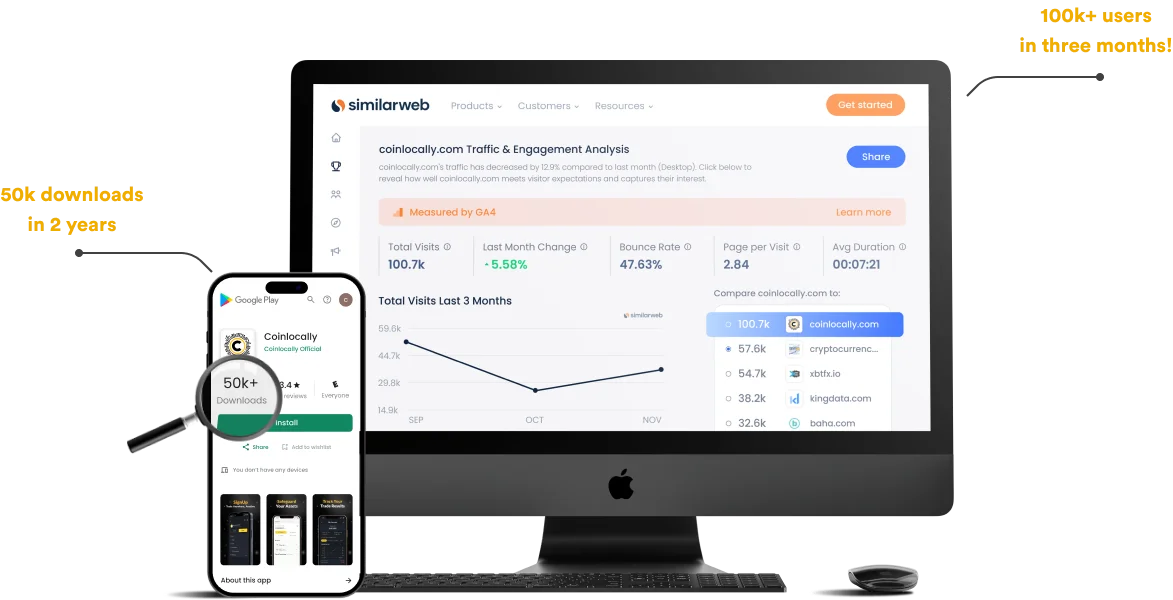
Coinlocally, the thriving cryptocurrency hub incorporates Centralized, DEXs, and an NFT marketplace – all under one roof!
Read More

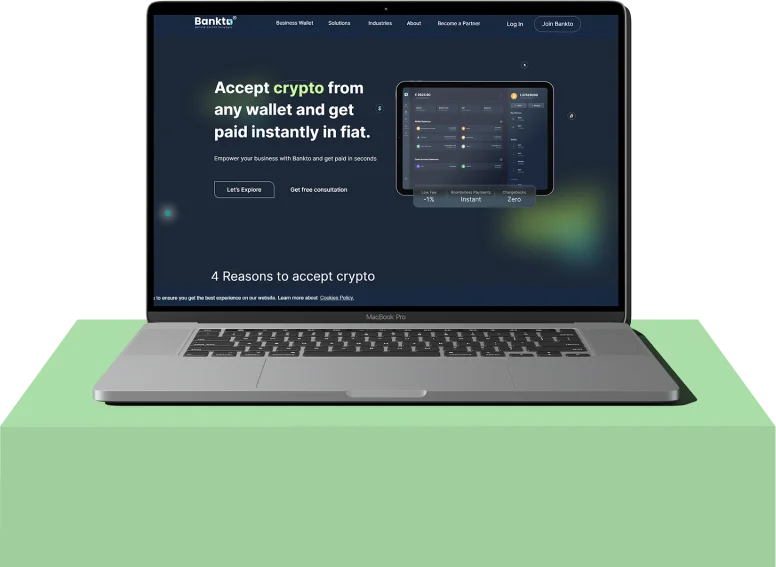
Bankto is a fascinating payment gateway platform where features are tailored brick-by-brick for efficient crypto transactions.
Read More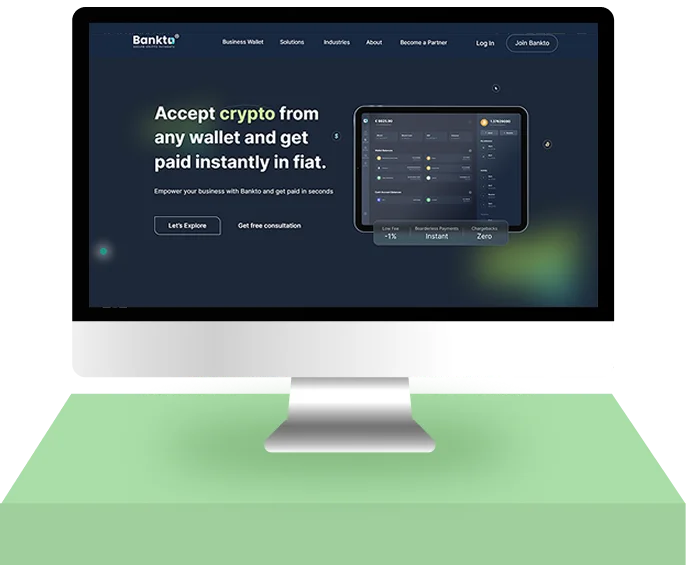

Manilla is a P2P-based exchange where innovative and trusted fintech services are guaranteed.
Read More

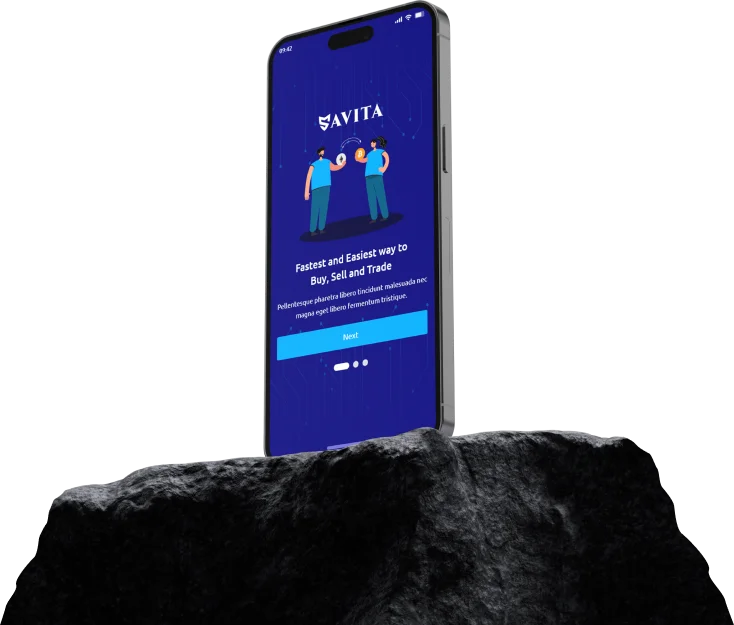
Savita is a global cryptocurrency exchange that emphasizes peer-to-peer order book trading. Being a customer-centric crypto exchange, Savita satisfies more than five thousand traders daily.
Read More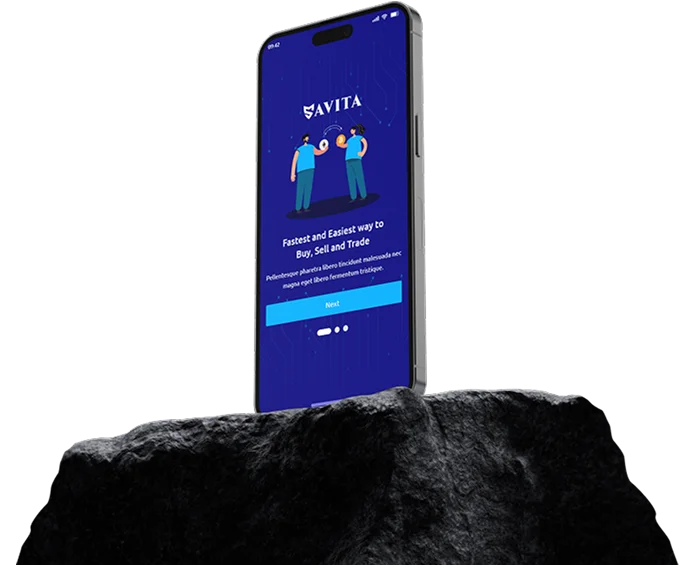

AltCoin Trader is a successful South African-based Centralized Crypto exchange platform that allows users to trade crypto to fiat or vice versa easily.
Read More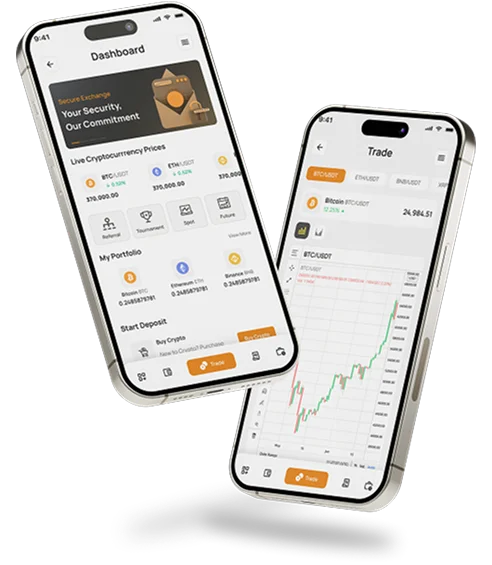

Fantasy Futbol is a next-gen fantasy sports platform where strategy meets skill in a fair and thrilling football experience.
Read More
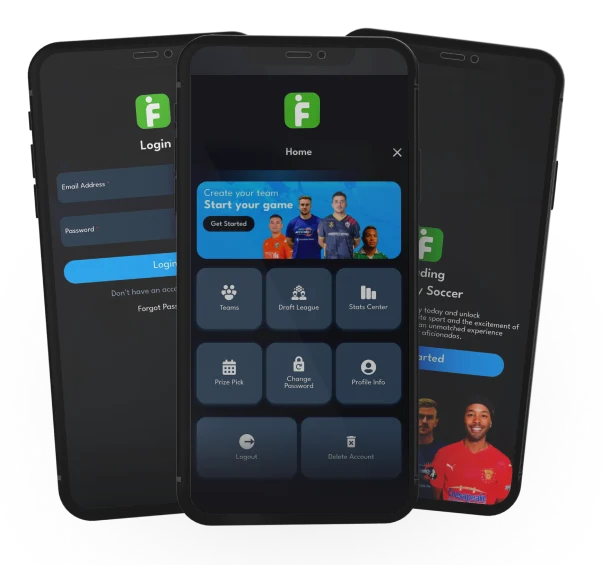

Fantasy Royal is an Indian-based P2P-powered Fantasy Cricket platform with secure, multi-level gameplay for thrilling and rewarding experiences.
Read More

Book your free P2P exchange consultation
Tell us which corridors you want to open and which payment methods matter. In 30 minutes, an architect will score your corridor risk, recommend an escrow model, and outline a realistic first build.
- The corridors and payment methods worth launching first, and the ones to avoid
- An honest view of feasibility, cost, timeline, and fraud exposure
- Clear next steps, whether or not you work with us
Frequently asked questions
Common questions about P2P crypto exchange development, escrow, cost, fraud prevention, and compliance.
Related blockchain development services
The rest of the venue around an escrow marketplace
A P2P marketplace is usually one route into a market rather than the whole product. These are the pages covering the venue it feeds, the custody underneath it, and the contracts that hold funds in escrow.
white label crypto exchange development
An order book fed by the P2P on-ramp, for operators whose banking partners cannot support fiat.
crypto wallet development
Custody and key management for escrowed balances, with sweeping and withdrawal controls.
smart contract audit
Independent audit of the escrow contracts and every state change a dispute decision rests on.
crypto launchpad development
Token sales for the ecosystems whose assets your merchants list and trade.
Which corridors are worth opening first? We will score your payment method mix in 45 minutes.

Reviewed by :
Bal Ganesan
Blockchain Lead at Pixel Web Solutions, with 12 Yrs Experience
Last updated: August 2026
Freshness note: P2P crypto regulations, payment rail availability, and fraud patterns change frequently. Regulatory details on this page reflect our understanding at the time of writing and are not legal advice.
Ready to launch your P2P crypto exchange?
Let's pick the corridors worth opening and build a marketplace merchants will actually trade on.
Get in Touch