








CRYPTO DERIVATIVES EXCHANGE DEVELOPMENT SERVICES
Crypto Derivatives Exchange Development Company Building Perpetuals, Futures and Options Platforms
Pixel Web Solutions is a crypto derivatives exchange development company that builds perpetual futures, dated futures, and options platforms with a production-grade risk engine. You get a low-latency matching engine, cross and isolated margin, a liquidation waterfall with insurance fund and auto-deleveraging, funding rate logic, and a manipulation-resistant index, live in 12 to 20 weeks.
Linear and inverse contracts. Market maker programs, FIX and WebSocket APIs, and risk parameters stress-tested against historical volatility before you take a single position.
Get your free derivatives build plan
Tell us your contract types, target leverage, and licence route. Within 48 hours you get a risk architecture outline, a module list, and a fixed-price estimate.
- Risk engine backtested against real liquidation cascades, not just happy-path demos
- Source code, risk parameters, and infrastructure ownership handed to you at launch
- Jurisdiction gating designed in, since retail crypto derivatives are restricted in major markets
78
Blockchain and Web3 projects delivered
6 weeks
Fastest derivatives platform launch
< 1 ms
Internal matching latency
17
Countries served
Derivatives exchanges do not fail slowly. They fail in ninety seconds.
A spot exchange with a bug loses trades. A derivatives exchange with a bug loses the insurance fund, socializes the loss across profitable traders, and never recovers its reputation. Four failure modes account for almost every derivatives platform that has collapsed, and all four are design decisions made before launch.
A risk engine that has never seen a cascade
Liquidations trigger price moves that trigger more liquidations. If the engine was only tested in calm markets, the first real volatility event drains the insurance fund. We backtest risk parameters against historical crash data before you go live.
A manipulable index price
Marking positions against a thin or single-source index invites wick attacks that liquidate traders at prices that never really existed. We build multi-venue index construction with outlier rejection, and mark prices that resist short-term manipulation.
Latency collapse under volume
Market makers leave the moment order acknowledgement times degrade, and when they leave, spreads widen and traders follow. We build deterministic, in-memory matching that holds its latency profile at peak load, verified under stress testing.
Selling leverage where you are not allowed
Retail crypto derivatives are restricted or banned in several major markets, including the UK, and tightly regulated in the US and EU. We design jurisdiction gating, leverage caps by region, and risk disclosure flows into the platform from the start.
Our Crypto Derivatives Exchange Development Services
Nine build tracks covering every contract type and the risk infrastructure behind them, deployable standalone or as modules in one platform. This page sits inside our wider crypto exchange development services, which covers every exchange model.
A crypto derivatives exchange development company builds the matching engine, margin and risk engine, liquidation system, funding rate mechanism, index and mark price construction, insurance fund logic, order management, market maker APIs, compliance gating, and the admin tooling required to operate a leveraged trading venue.
Perpetual Futures Exchange Development
Perpetual swap contracts with no expiry, funding rate settlement between longs and shorts, mark price marking, and configurable leverage tiers. The highest volume product in crypto derivatives.
Dated Futures and Delivery Contracts
Quarterly and monthly futures with expiry, settlement price calculation, delivery or cash settlement, and basis-aware margin treatment.
Crypto Options Exchange Development
European or American style options with a strike and expiry chain, premium settlement, Greeks calculation, portfolio margin treatment, and market maker quoting tools.
Margin Trading for Spot Exchanges
Cross and isolated margin added to an existing spot venue, with borrowing pools, interest accrual, collateral haircuts, and a shared liquidation path.
Risk and Liquidation Engine
Initial and maintenance margin calculation, risk limit tiers that reduce leverage as position size grows, partial liquidation, a liquidation waterfall, insurance fund accounting, and auto-deleveraging with a documented ranking method. Margin collateral is held on the same custody stack we use for crypto wallet development company work, with cold segregation and approval workflows.
Matching Engine and Low-Latency Infrastructure
Deterministic in-memory matching with price-time priority, event sourcing for replay and audit, and the full order type set including stop-loss, take-profit, trailing stop, post-only, reduce-only, iceberg, and time-weighted execution.
Index, Mark Price and Oracle Design
Multi-venue index construction with outlier rejection and stale feed handling, fair price marking to prevent unnecessary liquidations, and oracle integration for on-chain derivatives. On-chain perpetual, collateral and settlement contracts ship with an independent audit through our blockchain smart contract development services before a position opens.
Market Maker Program, Liquidity and APIs
REST, WebSocket, and FIX connectivity, maker rebate tiers, quoting obligations, latency-sensitive infrastructure, and liquidity aggregation for initial depth.
Compliance, Jurisdiction Gating and Post-Launch Support
Geo-blocking, leverage caps by region, KYC tiering, risk disclosure and appropriateness flows, plus ongoing risk parameter tuning, monitoring, and feature releases on a fixed monthly retainer.
Not sure which contract type to launch first?
Perpetuals, dated futures, and options have very different risk models, liquidity requirements, and licensing exposure. Send us your target market and licence route. We will tell you what to build first and what to defer.
Three ways to work with our crypto derivatives exchange development team
Pick the level of ownership and speed that matches your licence timeline and liquidity plan.
White Label Derivatives Launch
Duration
12 to 16 weeks
Our pre-built, pre-tested derivatives core configured with your brand, your contract set, your leverage tiers, and your risk parameters. Minimal custom code, maximum speed.
Best for:
Operators with a licence in hand and market makers ready to quote.
Includes:
Core platform licence, branding, risk parameter configuration, liquidity connection, market maker API setup, launch support.
White Label Plus Custom Modules
Duration
16 to 24 weeks
The derivatives core plus modules built specifically for you: a proprietary margin model, portfolio margining, a bespoke index methodology, structured products, or an institutional prime layer.
Best for:
Venues whose differentiator is the risk model itself.
Includes:
Everything in White Label Launch, plus custom module design, build, stress testing, and integration.
Derivatives Exchange as a Managed Service
Duration
Ongoing retainer
We build it, then run the technical side. Infrastructure, monitoring, risk parameter tuning as volatility regimes change, new contract listings, and a named technical lead on your calls.
Best for:
Operators strong on distribution and light on quantitative engineering.
Includes:
Build plus a monthly managed retainer with an agreed SLA.
A proven crypto derivatives exchange development process, from risk model to live leverage
Five stages. Every stage ends in a deliverable you own and can hand to an auditor, a regulator, or a market maker's risk team.
Product and Compliance Scoping
We map your contract types, target leverage, user geography, and licence route, then define which products you can legally offer to whom. Output: a product matrix tied to your jurisdiction and a compliance requirement list.
Risk Model and Architecture Design
We define margin formulas, risk limit tiers, liquidation thresholds, insurance fund sizing, funding rate parameters, and index methodology. Output: a risk specification, a system architecture document, and a fixed-price scope.
Build, Branding and Integration
Your design system applied across web and mobile, plus integration of liquidity, market data, custody, KYC, and monitoring. Output: a working platform on testnet with your parameters loaded.
Stress Testing, Backtesting and Audit
Risk parameters backtested against historical volatility events, liquidation cascade simulation, latency testing at target throughput, penetration testing, and full lifecycle UAT including funding settlement and expiry. Output: a stress test report, a remediation log, and a signed-off release candidate.
Launch, Liquidity Ramp and Handover
Production deployment, market maker onboarding, insurance fund seeding, monitoring and alerting setup, risk desk training, and source code plus documentation handover. Output: a live venue and a runbook your team can operate.
Get your risk model reviewed before you take a single position
A 45-minute technical review of your derivatives plan. We pressure-test your margin model, liquidation thresholds, insurance fund sizing, index methodology, and licence exposure, then tell you what it actually costs and how long it actually takes. No obligation, no sales script.
- Whether your margin and liquidation parameters survive a historical crash scenario
- How much insurance fund you need to seed before opening leverage
- A realistic build timeline with liquidity and compliance dependencies mapped
Key Benefits of Choosing Our Crypto Derivatives Exchange Development Services
Why operators choose a configured derivatives build over a ground-up platform or a spot exchange script with leverage bolted on.
A risk engine proven against real volatility
Margin, liquidation, and insurance fund parameters are backtested against historical crash data, not tuned on calm markets. This is the difference between a bad day and an insolvency event.
Launch in months, not years
A ground-up derivatives venue takes 18 months or more once risk engineering and stress testing are counted. Our tested core is configured in 12 to 20 weeks.
Latency market makers will actually quote into
Deterministic in-memory matching with a stable latency profile under load. Market makers measure this before they commit capital, and their commitment is what gives you spreads.
Manipulation-resistant pricing
Multi-venue index construction with outlier rejection and fair price marking, so your users are not liquidated by a wick on a thin venue.
Compliance-aware by design
Geo-gating, regional leverage caps, KYC tiering, and risk disclosure flows built in, because retail crypto derivatives are restricted in several major markets.
You own everything
Full source code, risk parameters, infrastructure, and customer data transfer to you. No revenue share, no per-contract cut, no vendor lock on your growth.
Who we build crypto derivatives exchanges for
We adapt the same tested core to nine very different operating models.
| Industry | What we build |
|---|---|
| Existing spot exchanges | derivatives added to a live user base, with shared accounts and unified collateral |
| Forex and CFD brokers | crypto derivatives added to an established trading book and client base |
| Crypto brokers | a leveraged product set layered over aggregated liquidity |
| Proprietary trading firms | private venues and internal risk platforms |
| Institutional and OTC desks | block trading, RFQ, and bilateral settlement with leverage |
| Market makers | venues built to their own latency and API specifications |
| Web3 and DeFi projects | on-chain perpetual DEXs with oracle-based pricing |
| Fintechs and neobanks | gated, capped leverage products inside an existing app |
| Regional exchanges | licensed derivatives venues serving a specific jurisdiction |
High-value derivatives use cases we deliver
USDT-margined perpetual futures venue
Linear perpetuals settled in stablecoin, the most accessible and highest volume derivatives product. Revenue model: taker and maker fees plus funding rate spread, with far higher fee capture per user than spot. Funding rate arbitrage and market making strategies are built by our crypto trading bot development company.
Coin-margined inverse contracts
Contracts collateralised and settled in the underlying asset, favoured by miners and holders hedging without selling. Revenue model: fees from a distinct, sticky trader segment.
Crypto options venue
Strike and expiry chains with Greeks, portfolio margin, and dedicated market maker quoting tools. Revenue model: premium-based fees and a less crowded competitive field.
Margin trading on an existing spot exchange
Cross and isolated margin with borrowing pools added to a live venue, increasing volume per existing user. Revenue model: trading fees plus interest on borrowed collateral. Cross and isolated margin added to an existing spot venue, including one built on our white label crypto exchange development company.
On-chain perpetual DEX
Non-custodial perpetuals with oracle pricing, on-chain positions, and either an order book or a pooled liquidity model. Revenue model: protocol fees and token-aligned liquidity incentives.
Institutional derivatives desk
RFQ pricing, block trades, portfolio margin, whitelisted counterparties, and settlement reporting. Revenue model: larger tickets at lower volume with institutional flow.
Infrastructure, data and standards we build on
We build on the connectivity and data sources professional trading counterparties already require.
Contract types:
Margin models:
Risk mechanisms:
Connectivity:
Market data:
On-chain derivatives:
Tools and Technologies We Use
Matching and risk engine
Messaging and streaming
Backend and APIs
Frontend
Mobile
Data
Blockchain
Infrastructure
Risk and monitoring
Crypto derivatives exchange development driving real venue outcomes
Fastest launch from kickoff to first live contract
Internal matching latency at target throughput
Platform uptime through peak volatility
Figures reflect Pixel Web Solutions delivery data. Individual results depend on contract complexity, risk model scope, and liquidity arrangements.
Perpetual futures vs dated futures vs options vs margin trading
Perpetual futures have no expiry and use a funding rate to hold price near spot. Dated futures expire on a set date and settle at a calculated price. Options give the right but not the obligation to trade at a strike price before expiry. Margin trading borrows funds to trade spot assets, without a derivative contract. Perpetuals carry the highest volume by a wide margin.
| Factor | Perpetual futures | Dated futures | Options | Margin trading |
|---|---|---|---|---|
| Expiry | None | Fixed date | Fixed date | None |
| Price anchoring | Funding rate | Convergence at expiry | Premium and Greeks | Spot price |
| Typical leverage | High | High | Varies by strategy | Moderate |
| Risk engine complexity | High | High | Highest | Moderate |
| Liquidity required | High | Moderate | Very high | Low |
| Market maker dependency | High | Moderate | Critical | Low |
| Build complexity | High | High | Highest | Lowest |
| Best first launch | Yes, for most venues | After perpetuals | Only with committed MMs | Yes, if you run spot |
The liquidation waterfall: what happens when a position fails
Most venues that failed never modelled stages 4 through 6 before launch. Every parameter below is set during our risk design stage and stress-tested before you open leverage.
| Stage | Trigger | What the engine does | Design decision you must make |
|---|---|---|---|
| 1. Margin warning | Margin ratio approaches maintenance | Alerts the trader, allows top-up | How early to warn, and through which channels |
| 2. Partial liquidation | Maintenance margin breached | Closes part of the position to restore margin | Chunk size, and whether to attempt partial at all |
| 3. Full liquidation | Margin still insufficient | Takes over the position and closes it at market | Whether the liquidation engine trades as a taker |
| 4. Insurance fund | Position closes below bankruptcy price | Fund absorbs the shortfall | Seed size, funding source, and public reporting |
| 5. Auto-deleveraging | Insurance fund exhausted | Profitable opposing positions are closed by rank | Ranking method, and how transparently to publish it |
| 6. Socialized loss | ADL insufficient, rare | Loss spread across profitable traders | Whether to permit this at all |
Getting the waterfall wrong is how derivatives venues become insolvent overnight. Our free risk review covers it in 45 minutes.
Portfolio - Our Work in Action

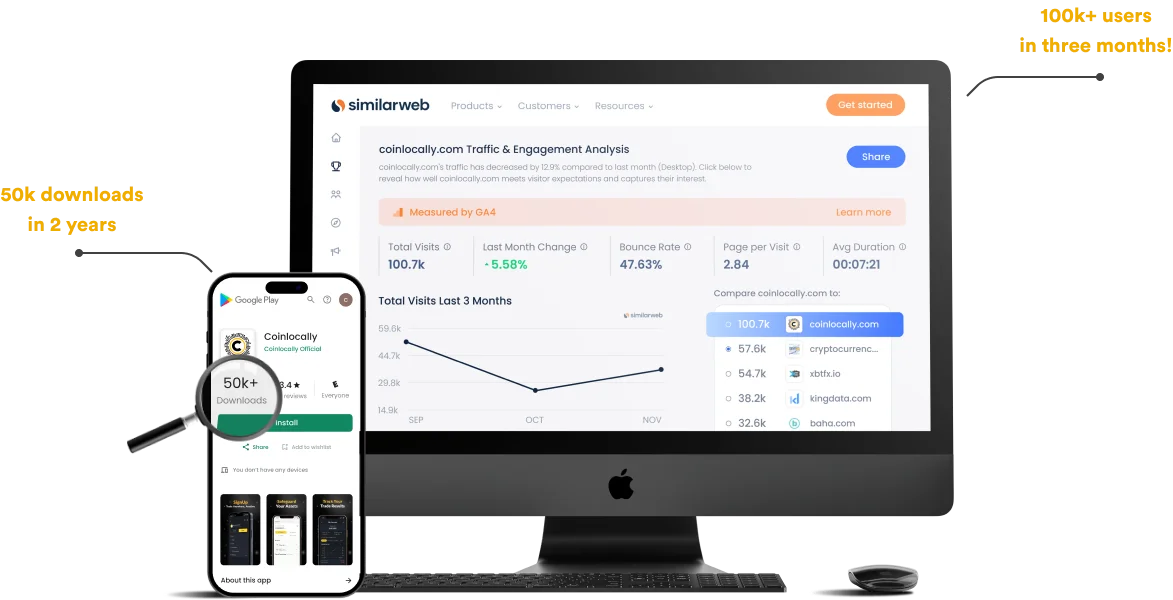
Coinlocally, the thriving cryptocurrency hub incorporates Centralized, DEXs, and an NFT marketplace – all under one roof!
Read More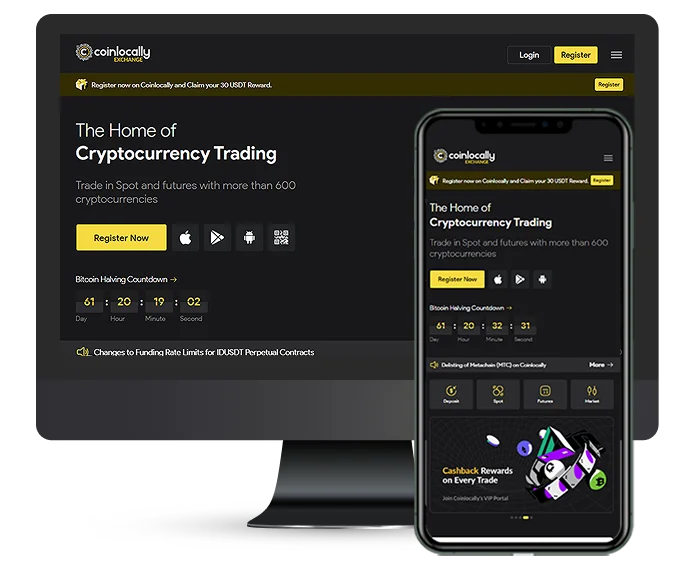

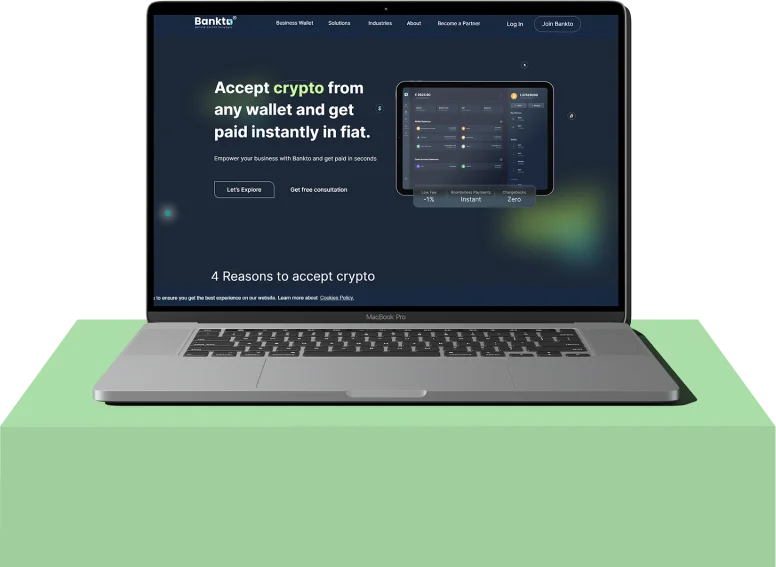
Bankto is a fascinating payment gateway platform where features are tailored brick-by-brick for efficient crypto transactions.
Read More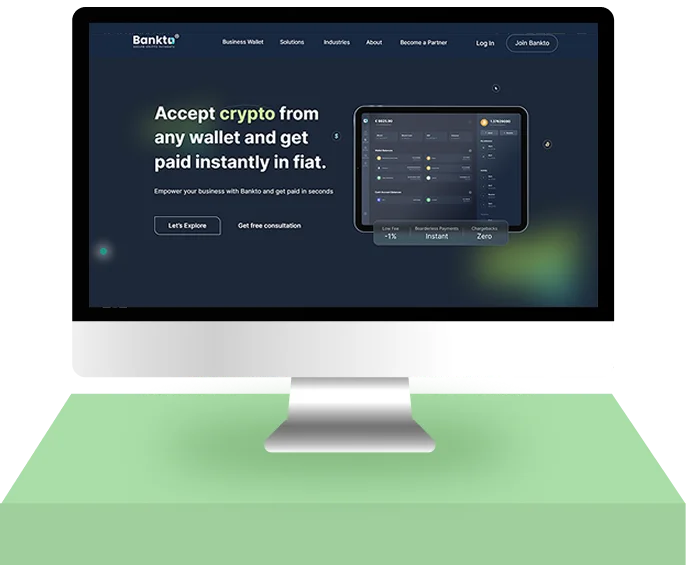

Manilla is a P2P-based exchange where innovative and trusted fintech services are guaranteed.
Read More

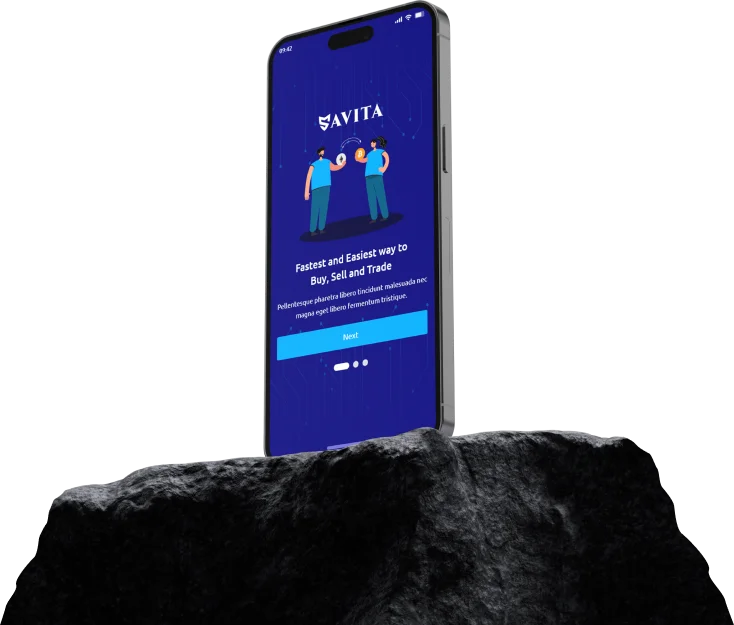
Savita is a global cryptocurrency exchange that emphasizes peer-to-peer order book trading. Being a customer-centric crypto exchange, Savita satisfies more than five thousand traders daily.
Read More

AltCoin Trader is a successful South African-based Centralized Crypto exchange platform that allows users to trade crypto to fiat or vice versa easily.
Read More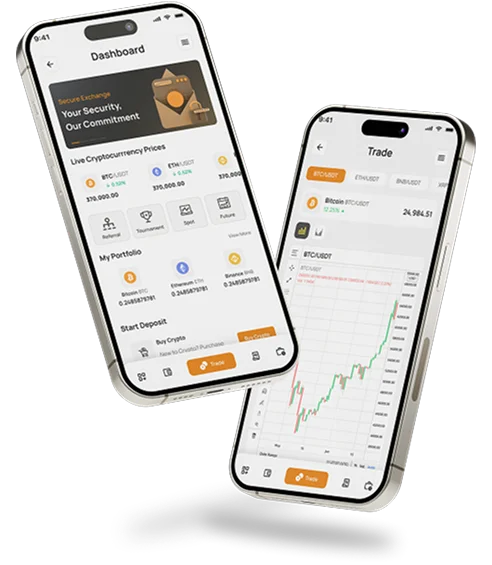

Fantasy Futbol is a next-gen fantasy sports platform where strategy meets skill in a fair and thrilling football experience.
Read More
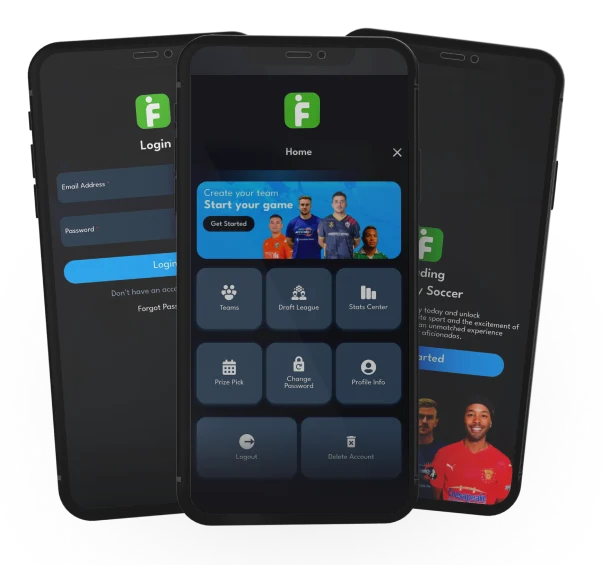

Fantasy Royal is an Indian-based P2P-powered Fantasy Cricket platform with secure, multi-level gameplay for thrilling and rewarding experiences.
Read More

Book your free derivatives exchange consultation
Tell us which contracts you want to list and where your users are. In 30 minutes, a derivatives architect will review your risk model, leverage plan, and liquidity requirement, and outline a realistic first build.
- The contract set and leverage tiers your licence and liquidity actually support
- An honest view of feasibility, cost, timeline, insurance fund sizing, and market maker requirements
- Clear next steps, whether or not you work with us
Frequently asked questions
Common questions about crypto derivatives exchange development, risk engines, cost, licensing, and timelines.
Related blockchain development services
The venue, the custody and the contracts around a leveraged book
A derivatives venue rarely launches alone. It sits alongside a spot book, needs custody its counterparties will accept, and where it runs on chain, contracts that have been through independent audit.
white label crypto exchange development
The spot venue derivatives are usually layered onto, with shared accounts and unified collateral.
P2P crypto exchange development
A fiat on-ramp for markets where card and bank rails will not fund a trading account.
crypto wallet development
Custody and key management for margin collateral, with approval workflows and cold segregation.
smart contract audit
Audit of on-chain perpetual, collateral and settlement contracts before a single position opens.
Get your margin model, insurance fund sizing and liquidation waterfall reviewed before you open leverage.

Reviewed by :
Ramkumar
Trading Systems Lead at Pixel Web Solutions, with 10 Yrs Experience
Last updated: August 2026
Freshness note: Crypto derivatives regulation changes frequently and varies sharply by jurisdiction. Regulatory details on this page reflect our understanding at the time of writing and are not legal advice.
Ready to launch your derivatives exchange?
Let's design a risk model that holds under pressure and a venue market makers will quote into.
Get in Touch