







CRYPTO DEFI WALLET DEVELOPMENT SERVICES
Crypto DeFi Wallet Development Services for Multi-Chain, Self-Custody Products
Crypto DeFi wallet development services build non-custodial wallets that connect directly to decentralized protocols. Pixel Web Solutions delivers branded DeFi wallets with token swaps through DEX aggregation, staking and lending integrations, cross-chain bridging, a dApp browser, NFT and portfolio tracking, and a transaction safety layer that flags malicious contracts before a user signs.
iOS, Android, web, and browser extension. EVM chains plus Solana and Bitcoin. Account abstraction and gasless transactions where you need them.
Get your free DeFi wallet build plan
Tell us your chains, protocols, and target users. Within 48 hours you get an integration list, an architecture outline, and a fixed-price estimate.
- Transaction simulation and approval scanning built in, not sold as a later upgrade
- Source code, contracts, and infrastructure ownership handed to you at launch
- Independent security audit on every build before mainnet
78
Blockchain and Web3 projects delivered
6 weeks
Fastest DeFi wallet launch
50
Chains, protocols and integrations supported
95%
Builds shipped with independent security audit
DeFi wallets do not lose users to missing features. They lose users to one bad signature.
A wallet that swaps, stakes, and bridges is table stakes. What separates a wallet people keep from one they delete is what happens at the moment of signing: whether the user understood the transaction, got a fair execution price, and could complete it without hunting for gas on a chain they had never used. Four failure points decide that.
Signatures nobody understands
Unlimited token approvals and blind message signing are how most DeFi users lose funds. We build transaction simulation, human-readable decoding, approval scanning, and malicious contract warnings into the signing flow, so the user sees the outcome before they confirm.
Swap execution that quietly costs users money
Routing through a single DEX with loose slippage means worse prices and sandwich attacks. We aggregate routes across venues, surface the real price impact, and offer MEV-protected submission where the chain supports it.
Multi-chain that feels like six wallets
Chain switching, wrapped assets, and bridge steps are where mainstream users give up. We build unified balances, automatic network detection, and bridging that reads as one action rather than a five-step process.
Gas and seed phrase friction
New users cannot transact without the native gas token, and cannot recover without twelve words they did not save. Account abstraction with a paymaster and social recovery removes both blockers from the critical path.
Our Crypto DeFi Wallet Development Services
Nine build tracks covering the full self-custody DeFi stack, deployable standalone or as modules in one wallet. Keys are generated and held on the user's device. If you are still choosing a custody model, our white label crypto wallet development page covers that decision in full.
Crypto DeFi wallet development services cover non-custodial key architecture, multi-chain integration, DEX aggregation and swaps, staking and lending protocol connections, cross-chain bridging, dApp browser and WalletConnect support, NFT and portfolio tracking, transaction security and scam protection, account abstraction, security auditing, and post-launch protocol maintenance.
Non-Custodial DeFi Wallet Development
Keys generated and stored on the user's device using BIP-39 derivation and secure enclave or Keystore protection, with encrypted backup options and hardware wallet support. Delivered across mobile, web, and browser extension. This sits inside our wider crypto wallet development company practice, which covers custodial and institutional wallets too.
DEX Aggregation and Token Swap Module
Route comparison across decentralized venues, price impact and slippage controls, gas-aware quoting, limit orders where supported, and MEV-protected transaction submission.
Staking, Lending and Yield Integration
Native and liquid staking, lending and borrowing positions, LP position tracking, reward claiming, and accurate APR and APY display sourced from protocol data rather than static values. Staking, lending and yield positions are modelled with our defi development company team.
Cross-Chain Bridge and Swap Integration
Bridge aggregation with route comparison, cross-chain swaps in a single user action, transfer status tracking, and recovery handling for stuck or partially completed transfers.
dApp Browser and WalletConnect Connectivity
In-app dApp browsing, WalletConnect sessions, session and permission management, chain switching prompts, and a curated or open dApp directory.
NFT, Portfolio and Position Tracking
NFT display with collection metadata and media, aggregated portfolio value across chains, DeFi position aggregation, realized and unrealized performance, and transaction history built on chain indexers.
Transaction Security and Scam Protection
Transaction simulation with human-readable outcomes, token approval scanning and one-tap revoke, malicious contract and phishing dApp blocklists, spam and fake token filtering, and address poisoning defences.
Account Abstraction and Gasless UX
Smart accounts under ERC-4337 with paymaster-sponsored gas, batched transactions, session keys, spending policies, and social recovery, so users transact without holding a native gas token. Smart account, session key and paymaster contracts built through our blockchain smart contract development services.
Post-Launch Support, New Chains and Protocol Maintenance
New chain and protocol integrations, ABI and contract upgrade handling, indexer maintenance, OS and SDK upgrades, app store resubmissions, monitoring, and feature releases on a fixed monthly retainer.
Not sure which protocols to integrate first?
Every integration adds maintenance cost and audit surface. Send us your chains and target users and we will tell you which protocols earn their place in version one and which should wait.
Three ways to work with our DeFi wallet development team
Pick the level of ownership and speed that matches your funding stage and roadmap.
Configured DeFi Wallet Launch
Duration
8 to 14 weeks
Our pre-built, pre-audited non-custodial core configured with your brand, your chains, your protocol set, and your on-ramp provider. Minimal custom code, maximum speed.
Best for:
Teams that need a branded DeFi wallet in users' hands this quarter.
Includes:
Core wallet licence, branding, chain and protocol integration, security layer, audit, app store submission.
Configured Core Plus Custom Modules
Duration
14 to 20 weeks
The wallet core plus modules built specifically for you: a proprietary yield strategy, a protocol-native rewards system, a custom bridging flow, or DAO governance voting.
Best for:
Protocols and ecosystems whose wallet is part of the product, not an accessory.
Includes:
Everything in Configured Launch, plus custom module design, build, audit, and integration testing.
DeFi Wallet SDK
Duration
6 to 10 weeks to integrate
A wallet and DeFi layer delivered as an SDK your engineers drop into an existing app, with smart accounts and gas sponsorship so users never manage keys or gas.
Best for:
Fintechs, marketplaces, and games adding DeFi to a live product.
Includes:
SDK, API documentation, smart account infrastructure, integration support, and a managed retainer.
A proven DeFi wallet development process, from protocol scope to app store
Five stages. Every stage ends in a deliverable you own and can hand to an auditor, a protocol partner, or an investor.
Protocol and Chain Scoping
We map your target users, chains, and the protocols they actually use, then score each integration for value against maintenance and audit cost. Output: an integration priority list and a compliance and store policy checklist.
Architecture and Security Design
We define key generation and storage, recovery model, signing flow, transaction simulation layer, indexer strategy, and RPC infrastructure. Output: a system architecture document, an infrastructure cost model, and a fixed-price scope.
Build, Branding and Integration
Your design system applied across mobile, web, and extension, plus live integration of swap routing, staking, bridging, dApp connectivity, on-ramps, and the security layer. Output: a working wallet on testnet with your protocols connected.
Security Audit, Simulation Testing and Store Preparation
Independent security audit, penetration testing, adversarial testing of the signing and approval flows against known scam patterns, device hardening checks, and app store policy preparation. Output: an audit report, a remediation log, and a submission-ready build.
Launch, Store Approval and Handover
Production deployment, app store submission and review handling, monitoring setup, team training, and source code plus documentation handover. Output: a live wallet and a runbook your team can operate.
Get your integration scope reviewed before you build
A 45-minute technical review of your DeFi wallet plan. We pressure-test your chain and protocol list, security layer, recovery model, and store approval risk, then tell you what it actually costs to build and to maintain. No obligation, no sales script.
- Which protocol integrations earn their maintenance cost and which do not
- Where your signing flow will let users lose funds, and how to close it
- A realistic build timeline with audit and app store review mapped
Key Benefits of Choosing Our Crypto DeFi Wallet Development Services
Why product teams choose a configured DeFi wallet build over a ground-up build or a forked open source wallet.
Launch in weeks, not quarters
A ground-up DeFi wallet takes 9 to 15 months once multi-chain indexing, swap routing, and audit cycles are counted. Our audited core is configured and submitted in 8 to 14 weeks.
A security layer users can actually see
Transaction simulation, approval scanning, and scam warnings are standard in every build. This is the feature set that keeps users from a loss they will blame on your brand.
Better swap execution
Route aggregation across venues with visible price impact and MEV-protected submission, so your users get prices they would not get from single-venue routing.
Multi-chain that reads as one product
Unified balances, automatic network handling, and single-action bridging, rather than a chain selector that forces users to understand infrastructure.
Onboarding without gas or seed phrases
Account abstraction with sponsored gas and social recovery removes the two steps where mainstream users abandon self-custody wallets.
You own everything
Full source code, smart accounts, infrastructure, and user data transfer to you. No per-wallet fees, no forced swap fee share, no vendor lock on your growth.
Who we build DeFi wallets for
We adapt the same audited core to nine very different products.
| Industry | What we build |
|---|---|
| DeFi protocols | a branded wallet that makes your protocol the default destination |
| Layer 1 and Layer 2 ecosystems | an ecosystem wallet that onboards users directly onto your chain |
| Web3 startups | a self-custody product built around a specific user behaviour |
| Crypto exchanges | A self-custody companion wallet retains users leaving a venue built with our crypto exchange development. |
| Fintechs and neobanks | an embedded DeFi layer inside an existing app |
| NFT platforms and marketplaces | a wallet with native collection display and marketplace routing |
| Gaming and metaverse platforms | invisible smart accounts holding in-game assets with gasless play |
| DAOs and communities | wallets with governance voting and treasury visibility |
| Asset managers and treasuries | policy-controlled DeFi access with spending limits and approvals |
High-value DeFi wallet use cases we deliver
Multi-chain consumer DeFi wallet
Send, receive, swap, stake, bridge, and NFT display across EVM chains plus Solana and Bitcoin. The default consumer product. Revenue model: swap fee share, on-ramp revenue share, and staking commission.
Protocol or ecosystem wallet
A wallet built around one chain or protocol, driving direct usage and reducing dependence on third-party wallets. Revenue model: ecosystem growth and retained users rather than direct wallet fees.
Embedded DeFi wallet inside an existing app
Smart accounts under an existing product, with sponsored gas so users never see a wallet at all. Revenue model: transaction fees on an existing user base with near-zero acquisition cost.
Yield and portfolio aggregator wallet
Aggregated DeFi positions across protocols and chains, with performance tracking and one-tap reward claiming. Revenue model: premium tiers and performance fees where permitted.
Gaming wallet with gasless transactions
Invisible wallet creation at signup, in-game asset custody, batched transactions, and a paymaster covering gas. Revenue model: marketplace fees on in-game asset trades.
Policy-controlled treasury DeFi wallet
Multi-signature or smart account governance with spending limits, whitelists, approval thresholds, and reporting for DAOs and corporate treasuries. Revenue model: subscription or AUM-based fees.
Chains, standards and protocol categories we build on
We integrate the networks and standards your users and auditors already work with.
Blockchain networks:
Token and account standards:
Key management:
Protocol categories integrated:
Infrastructure:
Tools and Technologies We Use
Mobile
Web and extension
Blockchain interaction
Smart accounts
Data and indexing
Connectivity
Storage
Infrastructure
Security
DeFi wallet development driving real product outcomes
Fastest launch from kickoff to app store submission
Chains, protocols and integrations delivered
Builds shipped with independent security audit
Figures reflect Pixel Web Solutions delivery data. Individual results depend on chain count, protocol integrations, and app store review outcomes.
DeFi wallet vs custodial wallet vs exchange account
A DeFi wallet is non-custodial and connects directly to decentralized protocols, so users hold their own keys and interact with smart contracts. A custodial wallet holds keys on the user's behalf inside a company's system. An exchange account is a balance entry on a trading venue, not a wallet at all. Only a DeFi wallet lets users access protocols directly.
| Factor | DeFi wallet | Custodial wallet | Exchange account |
|---|---|---|---|
| Who holds keys | The user | The provider | The exchange |
| Protocol access | Direct, any dApp | None or limited | None |
| Swaps | On-chain via DEX aggregation | Provider-routed | Internal order book |
| Staking and lending | Direct protocol positions | Provider product | Exchange product |
| Recovery if credentials lost | Seed phrase or social recovery | Account support | Account support |
| Counterparty risk | None, self-custody | Provider solvency | Exchange solvency |
| Regulatory exposure for you | Lowest, no custody | High, custody obligations | Highest |
| Best for | Users who want protocol access | Mainstream users wanting simplicity | Traders |
DeFi wallet attack surface and the control for each
Most wallet development vendors treat these as a post-launch roadmap. In our builds they are part of version one, because a single loss event permanently costs you the user.
| Attack | How the user loses funds | Control we build in |
|---|---|---|
| Unlimited token approval | A malicious contract drains an approved token later | Approval scanning, spend caps by default, one-tap revoke |
| Blind signature (permit or off-chain message) | User signs a message that authorises a transfer | Human-readable message decoding and explicit warnings |
| Phishing dApp | A cloned site prompts a draining transaction | Domain blocklists, verified dApp directory, connection warnings |
| Address poisoning | User copies a lookalike address from history | Address history filtering, full address confirmation, contact labels |
| Fake token airdrop | User interacts with a scam token contract | Spam token filtering and contract reputation checks |
| Sandwich or MEV extraction | User gets a materially worse swap price | Route aggregation, tight slippage defaults, protected submission |
| Malicious contract logic | Transaction does something other than shown | Pre-signature transaction simulation with outcome preview |
| Clipboard or screen overlay malware | Address or seed intercepted on device | Certificate pinning, root and jailbreak detection, screenshot blocking |
The security layer is what separates a wallet users keep from one they uninstall. Our free review covers yours in 45 minutes.
Portfolio - Our Work in Action

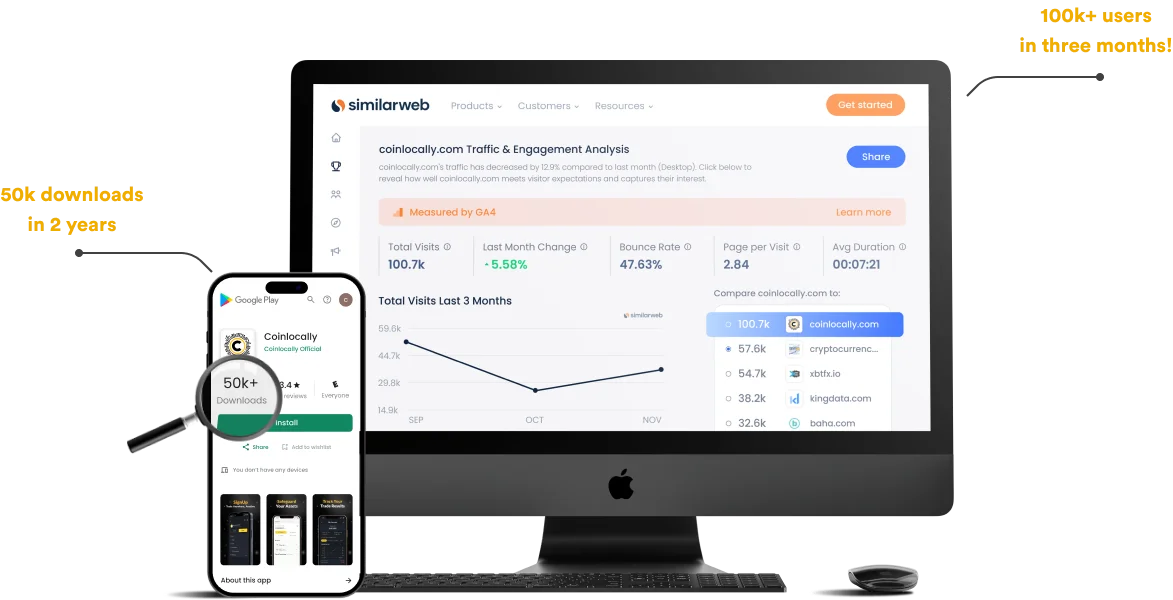
Coinlocally, the thriving cryptocurrency hub incorporates Centralized, DEXs, and an NFT marketplace – all under one roof!
Read More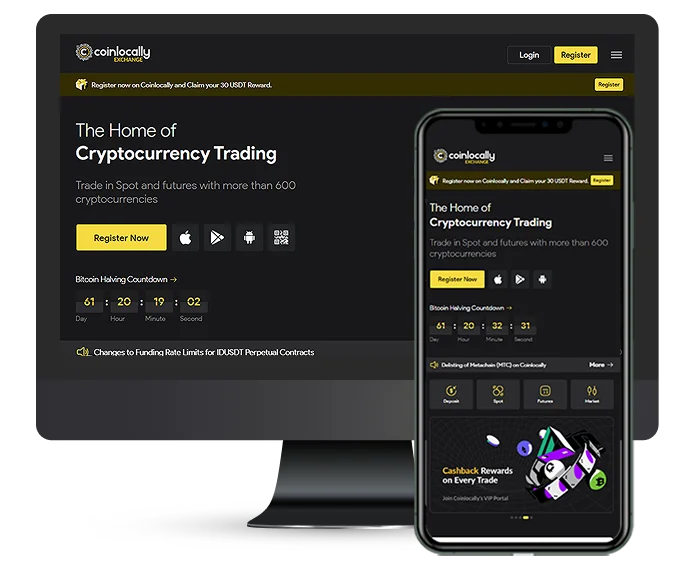

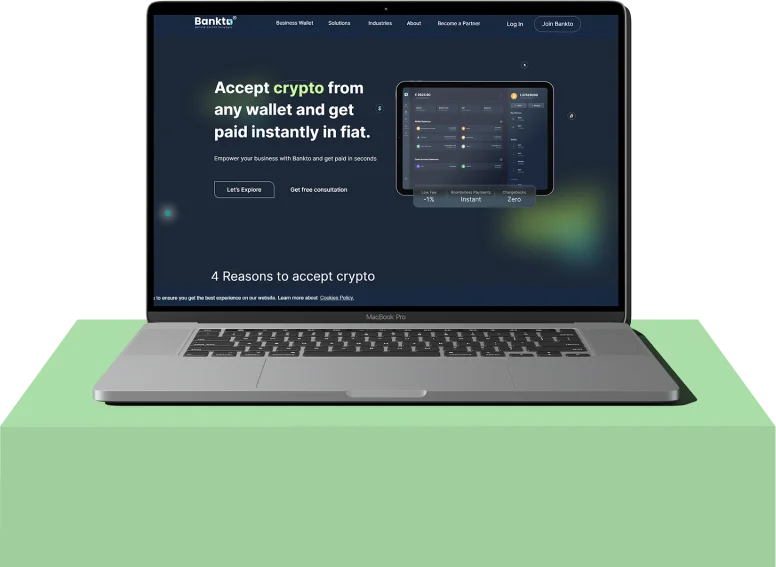
Bankto is a fascinating payment gateway platform where features are tailored brick-by-brick for efficient crypto transactions.
Read More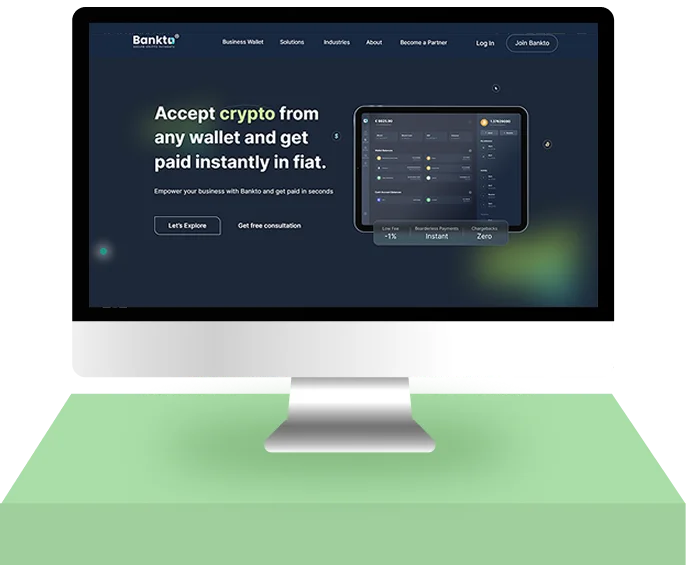

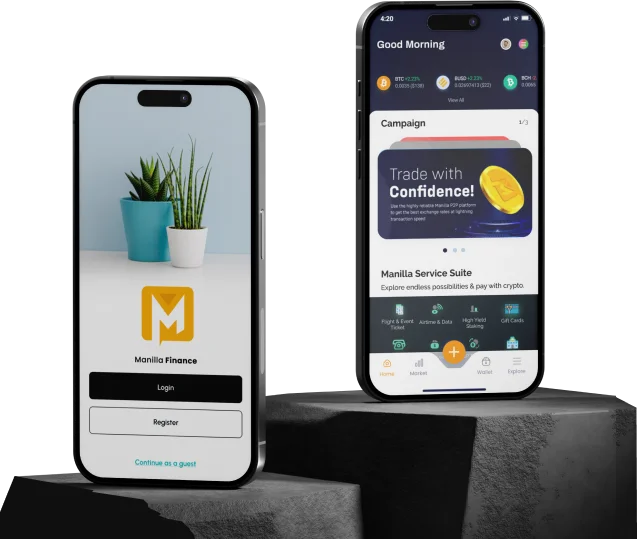
Manilla is a P2P-based exchange where innovative and trusted fintech services are guaranteed.
Read More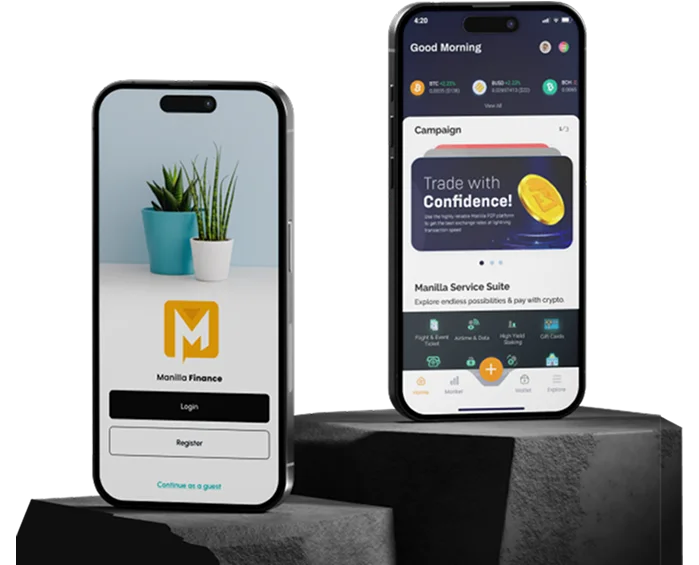

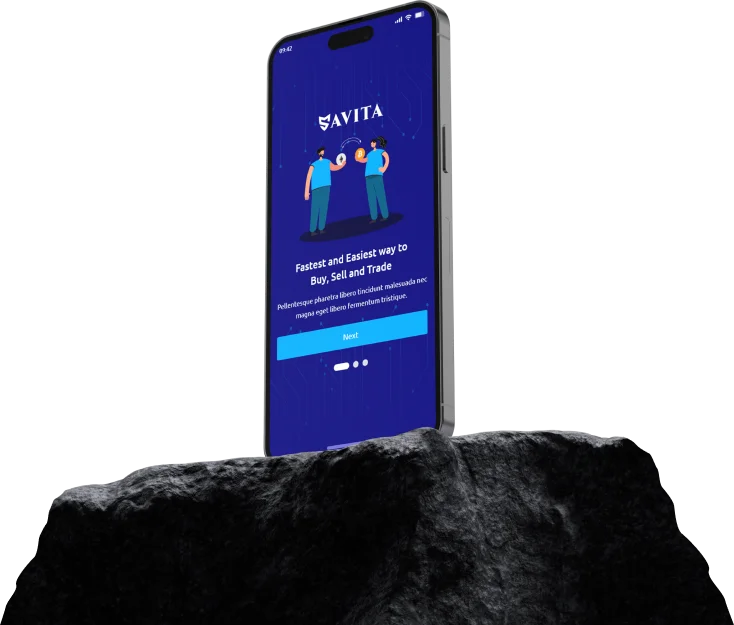
Savita is a global cryptocurrency exchange that emphasizes peer-to-peer order book trading. Being a customer-centric crypto exchange, Savita satisfies more than five thousand traders daily.
Read More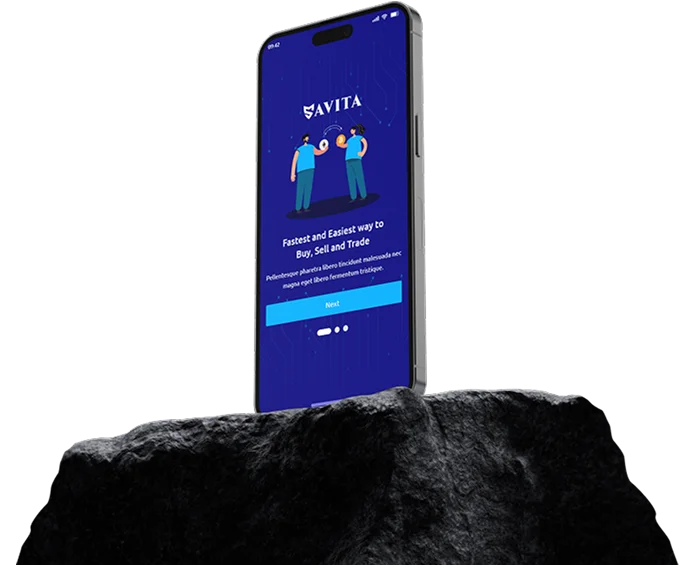

AltCoin Trader is a successful South African-based Centralized Crypto exchange platform that allows users to trade crypto to fiat or vice versa easily.
Read More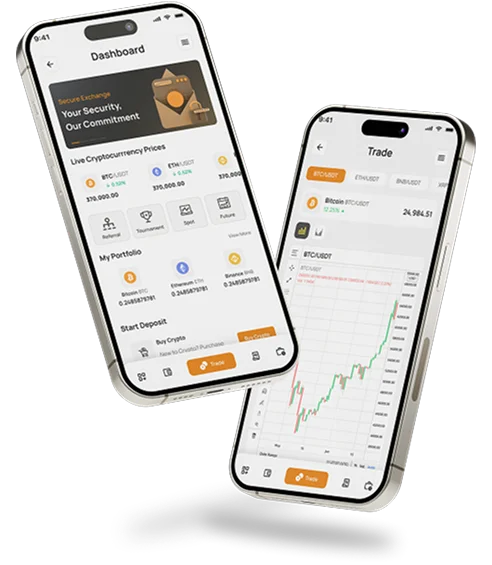

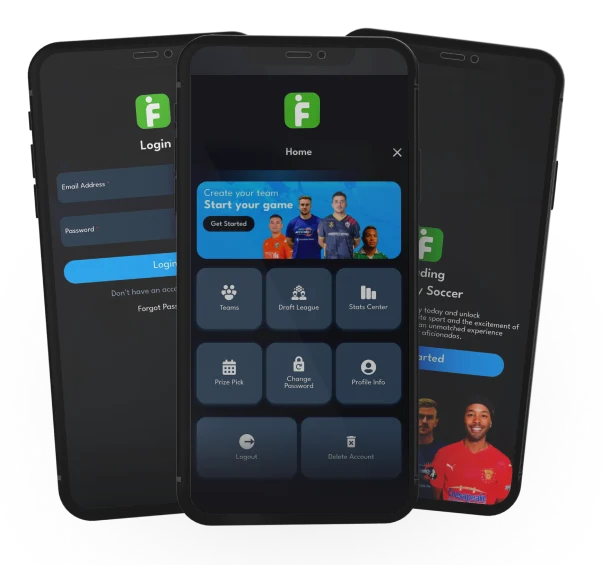
Fantasy Futbol is a next-gen fantasy sports platform where strategy meets skill in a fair and thrilling football experience.
Read More

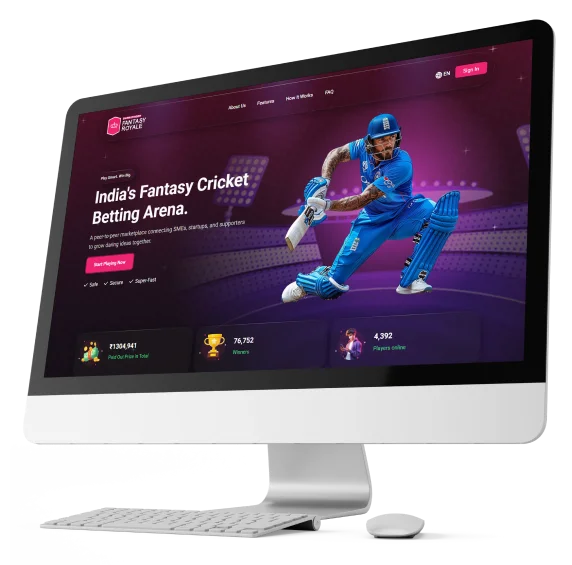
Fantasy Royal is an Indian-based P2P-powered Fantasy Cricket platform with secure, multi-level gameplay for thrilling and rewarding experiences.
Read More
Book your free DeFi wallet consultation
Tell us what you want to build and which protocols matter to your users. In 30 minutes, a wallet architect will scope your integrations, recommend a security and recovery model, and outline a realistic first build.
- The chains and protocol integrations worth shipping in version one
- An honest view of feasibility, cost, ongoing maintenance, and app store approval risk
- Clear next steps, whether or not you work with us
Frequently asked questions
Common questions about DeFi wallet development services, protocol integrations, security, cost, and timelines.
Related blockchain development services
The custody decision, the contracts and the venues a DeFi wallet touches
Non-custodial is assumed on this page. What sits around it is the custody choice you have already made, the contracts behind smart accounts, and the venues your users route swaps and fiat through.
white label crypto wallet development
The full custodial, non-custodial and MPC comparison, for teams still choosing a model.
smart contract development
Smart account, session key and paymaster contracts with independent audit before release.
crypto exchange development
The venue a self-custody companion wallet retains users from when they leave custody.
mobile app development
Native iOS and Android delivery, store submission and the review cycle that follows.
Which protocol integrations earn their maintenance cost? We will scope version one in 45 minutes.

Reviewed by :
Bal Ganesan
Blockchain Lead at Pixel Web Solutions, with 12 Yrs Experience
Last updated: August 2026
Freshness note: DeFi protocols, chain support, and app store policies change frequently. Protocol and integration details on this page reflect our understanding at the time of writing and are not financial or legal advice.
Ready to build your DeFi wallet?
Let's scope the integrations worth shipping and build a wallet your users will trust with a signature.
Get in Touch