










CRYPTO BANKING SOFTWARE DEVELOPMENT SERVICES
Crypto Banking Software Development for Institutions Running Fiat and Digital Assets Together
Crypto banking software development builds the platform a financial institution needs to hold, move, and account for fiat and digital assets in one system. Pixel Web Solutions delivers the multi-currency ledger, account and IBAN infrastructure, payment rails, custody integration, buy and sell flows, card programmes, and the compliance and reporting layer regulators require.
Core ledger, fiat rails, custody, trading, cards, and lending, built so on-chain movement and off-chain balances reconcile to the cent and the satoshi.
Get your free platform build plan
Tell us your licence position and the products you want to offer. Within 48 hours you get an architecture outline, a compliance dependency map, and a fixed-price estimate.
- Licence route mapped before architecture, because it decides what you can build
- Double-entry ledger designed for crypto precision, not a fintech ledger with tokens added
- Source code, ledger, and infrastructure ownership handed to you at launch
78
Blockchain and fintech projects delivered
8 weeks
Fastest platform launch
17
Countries served
50
Networks, assets and rails integrated
Crypto banking platforms fail on the ledger and the licence, not the app.
The customer-facing app is the visible part and the least difficult. What determines whether a crypto banking platform survives its first audit is whether the ledger can reconcile on-chain movement against customer balances, whether the architecture matches the licence actually held, and whether compliance can produce the reports a regulator asks for without a manual rebuild. Four decisions, all made before development.
A fintech ledger with crypto bolted on
Fiat carries two decimals and settles instantly in a closed system. Crypto carries up to eighteen, settles probabilistically, and moves on a public chain you do not control. A ledger not designed for both cannot reconcile, and an unreconcilable ledger fails audit.
Architecture built before the licence is known
An EMI, a VASP, a full banking licence, and a sponsor bank partnership each permit and forbid different things. Building first and checking later means rebuilding. We map your licence route in week one and design to what it actually allows.
Compliance retrofitted
Transaction monitoring, sanctions screening, Travel Rule messaging, and regulatory reporting cannot be added convincingly after the fact. We design the data model so the reports a regulator asks for can be produced from the system rather than assembled by hand.
Rails and card programmes underestimated
Sponsor banks, BIN sponsors, and payment scheme onboarding routinely take longer than the build. We scope them at the start so the commercial track runs in parallel rather than starting when the software is already finished.
Our Crypto Banking Software Development Services
Nine build tracks covering the ledger, the rails, the products, and the compliance layer around all of them. Delivered by the same team behind our wider blockchain software development company capability.
Crypto banking software development covers core ledger and account infrastructure, fiat payment rail integration, digital asset custody, buy and sell and swap flows, card issuing, crypto-backed lending, KYC and AML compliance with regulatory reporting, customer and back-office applications, and the multi-tenancy required to serve partner institutions.
Core Ledger and Account Infrastructure
A double-entry, multi-currency ledger handling fiat and digital assets in one accounting model, with account and sub-account structures, virtual accounts and IBANs where your licence permits, holds and pending states, and immutable audit trails.
Fiat Payment Rail Integration
SEPA and SEPA Instant, SWIFT, ACH, Faster Payments, and local schemes, with payment initiation, status tracking, returns and recalls handling, and reconciliation against the ledger.
Digital Asset Custody Integration
Hot, warm, and cold architecture with MPC or multi-signature signing, HSM-backed key storage, withdrawal approval workflows, address whitelisting, and segregation of client assets where regulation requires it. MPC or multi-signature signing with HSM-backed key storage, delivered by our crypto wallet development company team.
Buy, Sell, Swap and Liquidity
Customer-facing conversion between fiat and digital assets, with Liquidity provider integration and execution recorded against the ledger, via our crypto exchange development services.
Card Issuing and Spending
Debit and prepaid programmes with BIN sponsor and processor integration, authorisation-time conversion from a crypto balance, spend controls, card lifecycle management, and dispute handling.
Crypto-Backed Lending and Yield Products
Collateralised lending with loan-to-value monitoring, margin call workflows, automated collateral liquidation, interest accrual, and yield or earn products where your jurisdiction permits them.
Compliance, KYC, KYB, AML and Regulatory Reporting
Tiered identity and business verification, sanctions and PEP screening, ongoing transaction monitoring with case management, blockchain analytics on incoming and outgoing assets, Travel Rule messaging, suspicious activity workflows, and regulatory report generation.
Customer and Back-Office Applications
Mobile and web banking applications, plus the operations console your team actually runs the institution from: account administration, case queues, approvals, reconciliation views, and reporting.
Banking-as-a-Service Multi-Tenancy and Support
Partner-level isolation, white label configuration, API and webhook layers for partner integration, plus ongoing rail additions, compliance updates, and feature releases on a fixed monthly retainer.
Not sure which licence route fits?
An EMI, a VASP registration, a full banking licence, and a sponsor bank partnership permit very different products and carry very different timelines. Send us your target market and product ambition. We will map the routes and what each one lets you build.
Three ways to work with our crypto banking software development team
Pick the level of ownership and speed that matches your licence position and product roadmap.
Core Platform Launch
Duration
16 to 24 weeks
Our ledger, account, custody, and compliance foundations configured with your brand, your rails, and your product set. Minimal custom code where it is not needed, full engineering where it is.
Best for:
Institutions with a licence route settled and a defined first product.
Includes:
Core ledger, account infrastructure, custody integration, one fiat rail, compliance layer, customer apps, back office, launch support.
Full Platform Build
Duration
24 to 40 weeks
The core plus the products that differentiate you: card issuing, lending, yield, business accounts, treasury tooling, or partner-facing APIs.
Best for:
Institutions building a full product suite rather than a single offering.
Includes:
Everything in Core Platform, plus card programme integration, lending engine, additional rails, and partner API layer.
Banking-as-a-Service Platform
Duration
28 to 44 weeks
A multi-tenant platform you operate for partner brands, with per-partner isolation, configurable products, white label front ends, and consolidated compliance oversight.
Best for:
Licensed institutions monetising their licence through partners.
Includes:
Everything in Full Platform, plus multi-tenancy, partner onboarding, per-tenant configuration, and consolidated reporting.
A proven crypto banking software development process, from licence route to live accounts
Five stages. Every stage ends in a deliverable you own and can hand to an auditor, a regulator, or a sponsor bank.
Licence Route and Product Scoping
We map your jurisdiction, licence position, target customers, and product ambition, then define what each route permits and what it forbids. Output: a product matrix tied to your licence route and a compliance dependency map.
Ledger and Architecture Design
We design the accounting model, account structures, reconciliation strategy between on-chain and off-chain state, custody architecture, and rail integrations. Output: a ledger specification, a system architecture document, and a fixed-price scope.
Build and Integration
Core ledger and services built, with live integration of custody, liquidity, payment rails, card processor where applicable, KYC and screening providers, and analytics. Output: a working platform in a sandbox with all providers connected.
Reconciliation Testing, Security Audit and UAT
Full reconciliation testing across fiat and crypto including partial confirmations and reorganisations, penetration testing, compliance report generation testing, and operations team user acceptance testing. Output: an audit report, a reconciliation sign-off, and a release candidate.
Launch, Migration and Handover
Production deployment, controlled customer onboarding, operations and compliance team training, monitoring and alerting, and source code plus documentation handover. Output: a live platform and a runbook your institution can operate.
Get your architecture reviewed against your licence route
A 45-minute technical and regulatory review of your platform plan. We pressure-test your ledger design, licence assumptions, custody model, and reporting requirements, then tell you what it actually costs and how long it actually takes. No obligation, no sales script.
- Which products your licence route actually permits you to offer
- Whether your ledger design can reconcile on-chain movement under audit
- A realistic build timeline with rail, card, and licensing dependencies mapped
Key Benefits of Choosing Our Crypto Banking Software Development Services
What institutions get from a team that treats the ledger and the licence as the starting point.
A ledger that reconciles
Double-entry accounting designed for both two-decimal fiat and eighteen-decimal crypto, with defined handling for confirmation states and chain reorganisations, so customer balances and on-chain reality always agree.
Architecture matched to your licence
We design to what your route permits, so you do not build products you cannot legally offer or find your architecture blocking an application late in review.
Compliance reporting from the system
The data model is built so regulatory reports, audit trails, and case histories can be produced from the platform rather than assembled manually under time pressure.
Custody your auditors will accept
MPC or multi-signature signing, HSM-backed key storage, documented key ceremonies, client asset segregation, and approval workflows that satisfy institutional due diligence.
Rails scoped early
Sponsor banks, BIN sponsors, and scheme onboarding start alongside the build, so commercial dependencies are not discovered after the software is finished.
You own everything
Full source code, ledger, infrastructure, and customer data transfer to you. No revenue share, no per-account fee, no vendor lock on your growth.
Who we build crypto banking platforms for
We adapt the same ledger and compliance foundations to nine very different institutions.
| Industry | What we build |
|---|---|
| Crypto neobanks | fiat accounts and digital assets in one consumer product |
| Traditional banks | a digital asset offering inside existing channels and controls |
| EMIs and payment institutions | crypto added to an existing e-money licence |
| Crypto exchanges expanding | accounts, cards, and rails on top of a trading business |
| Banking-as-a-service providers | a multi-tenant platform monetising a licence through partners |
| Wealth and investment platforms | digital assets alongside traditional holdings |
| Remittance operators | stablecoin corridors with account and payout infrastructure |
| Business and corporate banking | treasury accounts, multi-user approvals, and reporting |
| Embedded finance platforms | accounts and cards delivered inside another company's product |
High-value crypto banking use cases we deliver
Consumer crypto neobank
Fiat accounts with IBANs, digital asset custody, buy and sell, and a card, in one mobile product. Revenue model: interchange, conversion spread, subscription tiers, and account fees.
Digital asset services for an existing bank
Custody and conversion offered to existing customers inside existing channels, under the bank's controls and reporting. Revenue model: conversion spread and custody fees on an existing customer base.
Crypto card programme
Authorisation-time conversion from a digital asset balance to fiat at the point of sale, with spend controls and rewards. Revenue model: interchange plus conversion spread, at high transaction frequency.
Crypto-backed lending
Loans against digital asset collateral with loan-to-value monitoring, margin calls, and automated liquidation. Revenue model: interest margin, with credit risk managed by collateral policy.
Business and corporate accounts
Multi-user accounts with role-based approvals, treasury tooling, bulk payments, and accounting integrations. Revenue model: account and transaction fees at higher value per client.
Banking-as-a-service platform
Your licence and platform, operated for partner brands with isolation and consolidated compliance. Revenue model: partner platform fees plus a share of transaction economics.
Rails, assets and infrastructure we build on
We integrate the providers your auditors, sponsor banks, and regulators already recognise. Permissioned deployment inside existing regulatory permissions, via our enterprise blockchain development company.
Fiat rails:
Digital assets:
Custody:
Card programmes:
Compliance:
Accounting:
Tools and Technologies We Use
Core services
Ledger and data
APIs
Frontend
Mobile
Blockchain
Key management
Messaging and jobs
Infrastructure
Security and audit
Crypto banking software development driving real institutional outcomes
Fastest core platform from kickoff to first live account
Networks, assets and rails integrated across deployments
Platform uptime across managed deployments
Figures reflect Pixel Web Solutions delivery data. Individual results depend on licence route, product scope, and third-party provider onboarding timelines.
Licence routes compared: how you operate decides what you can build
Crypto banking can be operated under a full banking licence, an e-money or payment institution licence, a virtual asset service provider registration, or a partnership with a licensed sponsor. Each permits different products, carries a different timeline and capital requirement, and demands a different architecture. The route is a technology decision as much as a legal one, because it determines what the platform is allowed to do.
| Route | Typically permits | Timeline to authorisation | Capital requirement | Architecture impact |
|---|---|---|---|---|
| Full banking licence | Deposits, lending, full account services | Longest, often years | Highest | Full ledger, capital and liquidity reporting |
| E-money or payment institution | Stored value, payments, cards, no deposits | Moderate | Moderate | Safeguarding and client fund segregation |
| VASP or crypto asset registration | Custody, exchange, and transfer of digital assets | Shorter | Lower | Custody controls and Travel Rule messaging |
| Sponsor or BaaS partnership | Whatever the sponsor's licence covers | Fastest to market | Lowest | Partner-imposed controls and reporting formats |
Why a crypto banking ledger is not a fintech ledger
Most platforms that fail an audit fail here. Each row is a design decision that must be made before the ledger is built, because retrofitting any of them means rebuilding the accounting core.
| Requirement | Why fiat systems do not handle it | What the design must do |
|---|---|---|
| Decimal precision | Fiat uses two decimals, crypto up to eighteen | Store exact integer base units per asset, never floating point |
| Probabilistic settlement | Fiat settles or fails, crypto confirms gradually | Model pending, confirmed, and final as distinct ledger states |
| Chain reorganisation | Settled fiat is never reversed | Define confirmation thresholds by asset and value, with reversal entries |
| External balance of truth | Fiat ledgers are the only record | Continuous reconciliation against on-chain state, with break detection |
| Network fees | Fiat transfer costs are known upfront | Account for variable fees taken from the transfer itself |
| Dust and rounding | Fiat rounding is trivial | Explicit rounding policy and dust handling that never loses value |
| Valuation timing | One currency, one value | Defined price source and timestamp for every valuation event |
| Asset segregation | Client money rules are well established | Provable segregation of client assets from institutional holdings |
| Immutability and audit | Standard practice already | Append-only journals with a complete, exportable audit trail |
We specify every row above during ledger design, and reconciliation is signed off as a distinct stage before launch.
The ledger is the part you cannot fix later. Our free architecture review covers yours in 45 minutes.
Portfolio - Our Work in Action

Coinlocally, the thriving cryptocurrency hub incorporates Centralized, DEXs, and an NFT marketplace – all under one roof!
Read More

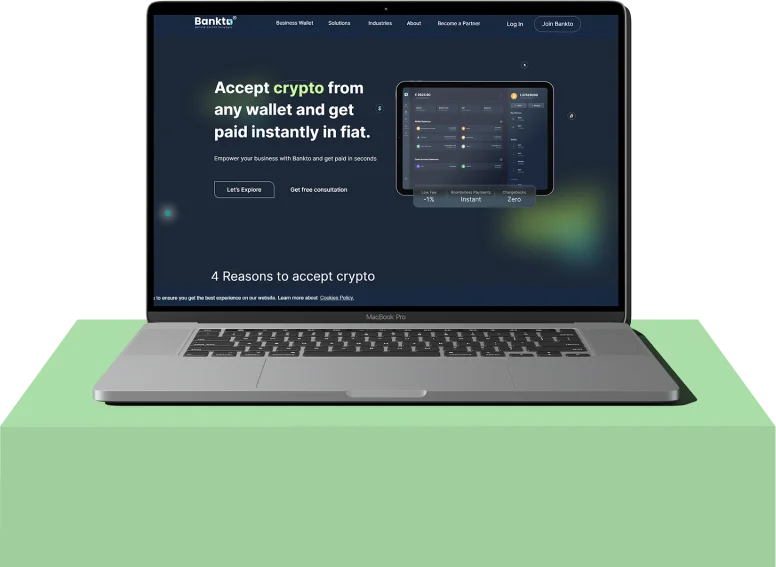
Bankto is a fascinating payment gateway platform where features are tailored brick-by-brick for efficient crypto transactions.
Read More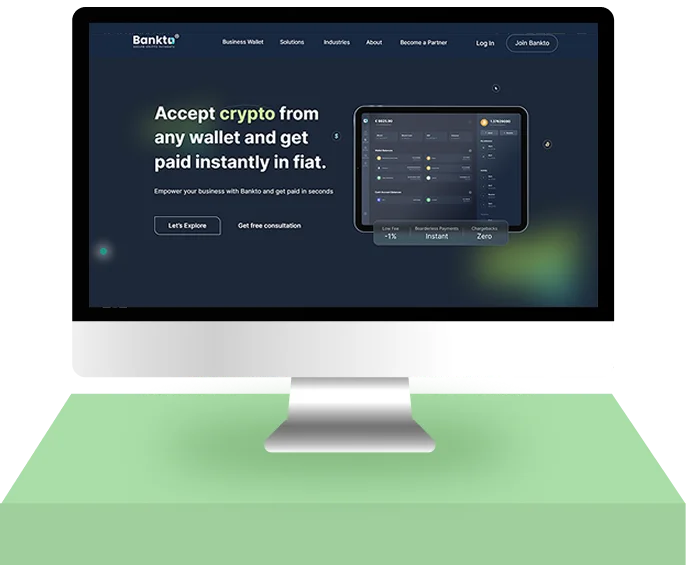

Manilla is a P2P-based exchange where innovative and trusted fintech services are guaranteed.
Read More

Savita is a global cryptocurrency exchange that emphasizes peer-to-peer order book trading. Being a customer-centric crypto exchange, Savita satisfies more than five thousand traders daily.
Read More

AltCoin Trader is a successful South African-based Centralized Crypto exchange platform that allows users to trade crypto to fiat or vice versa easily.
Read More

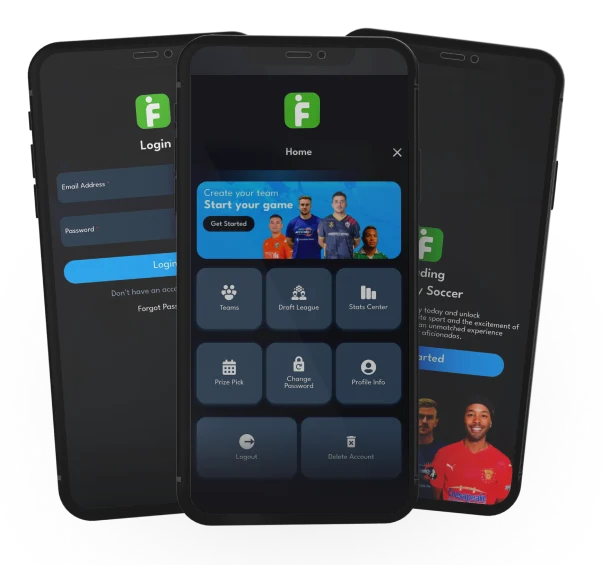
Fantasy Futbol is a next-gen fantasy sports platform where strategy meets skill in a fair and thrilling football experience.
Read More

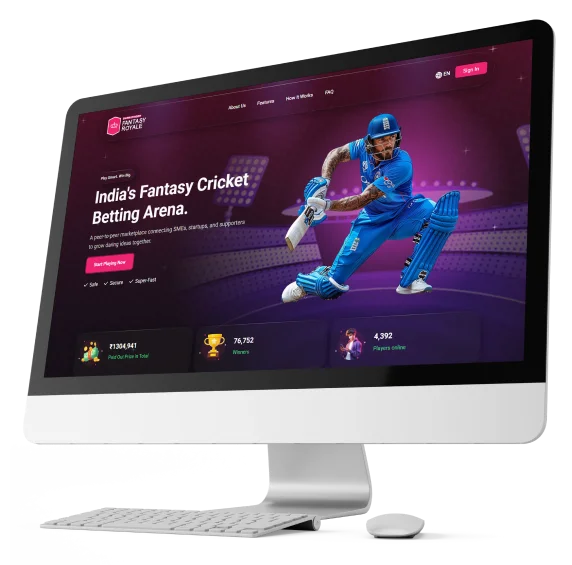
Fantasy Royal is an Indian-based P2P-powered Fantasy Cricket platform with secure, multi-level gameplay for thrilling and rewarding experiences.
Read More
Book your free crypto banking platform consultation
Tell us your licence position and the products you want to offer. In 30 minutes, a platform architect will map what your route permits, review your ledger and custody assumptions, and outline a realistic first build.
- The products your licence route actually permits, and what each additional one requires
- An honest view of feasibility, cost, timeline, and third-party dependencies
- Clear next steps, whether or not you work with us
Frequently asked questions
Common questions about crypto banking software development, licensing, ledgers, custody, and timelines.

Reviewed by :
Sundarapandy
CTO - Blockchain Operations at Pixel Web Solutions, with 14 Yrs Experience
Last updated: August 2026
Freshness note: Licensing regimes, payment scheme rules, and digital asset regulation change frequently and vary sharply by jurisdiction. Details on this page reflect our understanding at the time of writing and are not legal advice.
Ready to build your crypto banking platform?
Let's start with the ledger and the licence route, then build something your auditors will sign off.
Get in Touch