










CRYPTO TRADING BOT DEVELOPMENT SERVICES
Crypto Trading Bot Development Company Building Execution Systems That Survive Live Markets
A crypto trading bot development company builds automated systems that execute trading strategies across exchanges without manual intervention. Pixel Web Solutions delivers arbitrage, market making, grid, DCA, and custom strategy bots with realistic backtesting, a hard risk and kill switch layer, secured exchange connectivity, and monitored infrastructure, for funds, prop firms, market makers, and SaaS operators.
Centralized and on-chain execution. Backtested against fees, slippage, and latency, because a backtest that ignores those is fiction.
Get your free trading bot build plan
Tell us your strategy, venues, and capital scale. Within 48 hours you get an architecture outline, a risk layer specification, and a fixed-price estimate.
- Backtests modelled with real fees, slippage, and latency, never idealised fills
- Risk limits and a kill switch built before the strategy, not bolted on after
- Source code, strategy logic, and infrastructure ownership handed to you at launch
78
Blockchain and Web3 projects delivered
6 weeks
Fastest bot build from spec to live
20
Exchange and protocol integrations
6
Countries served
Most trading bots work perfectly right up until they trade real money.
The strategy is rarely the problem. Bots fail because the backtest was optimistic, because there was no limit on how wrong things could go, because an API key had more permission than it needed, or because the server went down while positions were open. Four engineering decisions separate a system you can fund from a script you cannot.
Backtests that flatter the strategy
Ignoring fees, slippage, latency, and available depth turns a losing strategy into a winning chart. We model execution realistically and test out of sample, so the result you see is one you might actually get.
No limit on how wrong it can go
A bug, a bad feed, or an unexpected regime can drain an account in minutes. We build position limits, exposure caps, drawdown thresholds, and a kill switch as a separate layer that the strategy cannot override.
API keys with too much permission
A trading key that can also withdraw turns any compromise into total loss. We enforce least-privilege keys, encrypted storage with managed key services, IP allowlisting, and separation between strategy code and credentials.
Infrastructure that fails while positions are open
Downtime with open exposure is the worst possible failure. We build health checks, failover, position reconciliation against the venue, and alerting that reaches a human before the market does.
What we do not build: wash trading or artificial volume bots, launch sniping bots designed to front-run retail buyers, and sandwich or frontrunning bots that extract value from other users' pending transactions. Wash trading is market manipulation and illegal in most jurisdictions. We turn this work down, and we say so publicly so the right clients know what kind of engineering partner they are getting.
Our Crypto Trading Bot Development Services
Nine build tracks covering strategy, execution, risk, and the infrastructure that keeps all three running. Delivered by the same team behind our wider blockchain software development company capability.
A crypto trading bot development company builds strategy logic, exchange and protocol connectivity, order execution and routing, backtesting and simulation infrastructure, risk management and kill switch layers, monitoring and alerting, and where required a full SaaS platform with user accounts, encrypted key storage, and subscription billing.
Custom Strategy Bot Development
Your strategy implemented as production software, with clean separation between signal generation, execution, and risk, so logic can be changed without touching the parts that protect capital.
Arbitrage Bot Development
Cross-exchange, triangular, and funding rate arbitrage with latency-aware execution, transfer and withdrawal cost modelling, inventory management across venues, and realistic assessment of when a spread is actually capturable.
Market Making Bot Development
Two-sided quoting with configurable spread, inventory skew, order refresh logic, adverse selection controls, and exchange market maker programme compliance, for venues and for firms quoting on them. Funding rate and market making strategies execute on venues built with our crypto derivatives exchange development company team.
Grid, DCA and Rebalancing Bots
Grid trading with range and step configuration, dollar cost averaging schedules, and portfolio rebalancing with drift thresholds and tax-aware execution ordering where relevant.
DeFi and On-Chain Bot Development
DEX arbitrage, lending protocol liquidation bots, liquidity position management and rebalancing, and yield strategy automation, with gas modelling, nonce management, and private transaction submission. On-chain execution wallets and position management come from our crypto defi wallet development services.
Backtesting and Strategy Research Infrastructure
Historical data pipelines, event-driven simulation with fee, slippage, and latency modelling, walk-forward and out-of-sample testing, parameter sensitivity analysis, and paper trading before capital is committed.
Risk Management and Execution Layer
Position and exposure limits, per-strategy and account drawdown thresholds, circuit breakers, order rate limiting, reconciliation against venue state, and a kill switch operable independently of the strategy process.
Trading Bot SaaS Platform Development
Multi-user platforms with encrypted API key storage, strategy configuration interfaces, copy trading, subscription billing, performance reporting, and the isolation required to run many users' strategies safely on shared infrastructure.
Deployment, Monitoring and Maintenance
Low-latency hosting, redundancy and failover, health checks, alerting, exchange API change handling, and ongoing tuning on a fixed monthly retainer.
Not sure whether your strategy is worth automating?
Some strategies stop working the moment fees and slippage are modelled honestly. Send us the logic under NDA and we will tell you what it looks like with realistic execution assumptions, including when the answer is that it does not survive.
Three ways to work with our trading bot development team
Pick the level of support that matches how settled your strategy already is.
Single Strategy Bot
Duration
6 to 10 weeks
One defined strategy built as production software, with backtesting, a risk layer, exchange connectivity, monitored deployment, and handover.
Best for:
Traders and firms with a strategy already proven manually or in research.
Includes:
Strategy implementation, backtest infrastructure, risk layer, exchange integration, deployment, documentation.
Multi-Strategy Trading System
Duration
12 to 20 weeks
A platform running several strategies across venues, with shared risk management, portfolio-level exposure control, unified reporting, and research infrastructure for developing new strategies.
Best for:
Funds, prop firms, and market makers running more than one book.
Includes:
Everything in Single Strategy, plus multi-strategy orchestration, portfolio risk, research tooling, and reporting.
Trading Bot SaaS Platform
Duration
16 to 24 weeks
A customer-facing product where users configure and run strategies on their own exchange accounts, with encrypted key handling, billing, and per-user isolation.
Best for:
Founders building a trading bot business rather than trading themselves.
Includes:
Multi-tenant platform, key security architecture, billing, user dashboards, and managed infrastructure.
A proven trading bot development process, from strategy spec to funded deployment
Five stages. Every stage ends in a deliverable you own, and capital is committed only at the last one.
Strategy and Risk Specification
We document the strategy logic precisely, define what the system must never do, and agree exposure, drawdown, and kill switch thresholds. Output: a strategy specification and a risk mandate.
Data, Backtesting and Feasibility
Historical data assembled, simulation built with fee, slippage, and latency modelling, and the strategy tested out of sample with sensitivity analysis. Output: a backtest report stating limitations honestly, and a go or no-go recommendation.
Build and Integration
Strategy, execution, and risk layers built as separate components, with exchange or protocol connectivity, least-privilege key handling, and reconciliation against venue state. Output: a working system in a sandbox or testnet environment.
Paper Trading and Hardening
Forward testing against live market data with no capital at risk, latency measurement, failure injection, kill switch drills, and alert tuning. Output: a paper trading report and a signed-off release candidate.
Funded Deployment and Handover
Staged capital deployment starting small, monitoring and alerting live, runbook and escalation procedures, team training, and source code plus documentation handover. Output: a running system and the operational knowledge to control it.
Get your strategy stress-tested before you fund it
A 45-minute technical review of your trading system plan. We pressure-test your strategy assumptions, execution model, risk limits, and infrastructure design, then tell you what it takes to build and where it is most likely to break. No obligation, no sales script.
- Whether your strategy survives realistic fee, slippage, and latency assumptions
- Where your risk layer needs a hard limit the strategy cannot override
- A realistic build timeline with data and integration dependencies mapped
Key Benefits of Choosing Our Crypto Trading Bot Development Services
What funds, prop firms, and operators get from a team that builds trading systems rather than scripts.
Honest backtesting
Fees, slippage, latency, and available depth modelled explicitly, with out-of-sample testing. If the strategy does not survive that, we tell you before you spend the build budget rather than after.
Risk as a separate layer
Exposure caps, drawdown limits, circuit breakers, and a kill switch that operate independently of strategy code, so a logic error cannot disable the thing protecting you from it.
Credential security by design
Least-privilege API keys with withdrawal permission never enabled, encrypted storage through managed key services, IP allowlisting, and strict separation between strategy code and credentials.
Infrastructure that stays up
Redundancy, failover, health checks, position reconciliation against the venue, and alerting that escalates to a human, because downtime with open exposure is the expensive failure.
Strategy logic you can change
Clean separation between signal, execution, and risk means your team can iterate on the strategy without touching the components that protect capital.
You own everything
Full source code, strategy logic, backtest infrastructure, and deployment scripts transfer to you. No performance fee, no profit share, no retained access to your systems.
Who we build trading systems for
We adapt the same execution and risk foundations to nine very different operations.
| Industry | What we build |
|---|---|
| Proprietary trading firms | multi-strategy systems with portfolio-level risk control |
| Crypto funds and asset managers | systematic execution with reporting and audit trails |
| Market makers | quoting engines meeting exchange programme obligations |
| Exchanges and venues | Venues supporting depth on their own listed pairs work with our crypto exchange development services. |
| OTC desks | hedging and inventory management automation |
| Family offices | rules-based accumulation and rebalancing with strict limits |
| DeFi protocols | liquidation bots and liquidity management for protocol health |
| SaaS founders | customer-facing bot platforms with per-user isolation |
| Professional individual traders | single-strategy systems with proper risk controls |
High-value automation use cases we deliver
Cross-exchange arbitrage
Price differences captured across venues, with inventory pre-positioned to avoid transfer delays and full cost modelling including withdrawal fees. What decides viability: latency, fee tier, and whether the spread survives realistic execution.
Exchange market making
Two-sided quotes with inventory skew and adverse selection controls, meeting venue uptime and spread obligations. What decides viability: rebate structure, quoting obligations, and inventory risk tolerance.
Funding rate arbitrage
Delta-neutral positions capturing perpetual funding, with careful attention to liquidation risk on the short leg. What decides viability: funding persistence, margin efficiency, and liquidation buffer.
DeFi liquidation bot
Monitoring lending protocol positions and executing liquidations, with gas modelling and competitive submission. What decides viability: gas costs, competition, and reliable position monitoring.
Grid and DCA bot SaaS
A consumer product where users configure grid or DCA strategies on their own exchange accounts. Revenue model: subscription tiers, with no custody of user funds.
Copy trading platform
Followers mirror selected traders proportionally, with per-user risk limits and transparent performance reporting. Revenue model: subscription or performance-linked fees, subject to the licensing position in your jurisdiction.
Venues, protocols and infrastructure we build on
We integrate through documented, permissioned interfaces on venues our clients already hold accounts with.
Connectivity:
Order types:
Strategy categories:
On-chain execution:
Data:
Risk and monitoring:
Tools and Technologies We Use
Strategy and research
Execution engine
Connectivity
Blockchain
Data
Messaging
Frontend
Infrastructure
Security
Monitoring
Trading system development driving real operational outcomes
Fastest build from specification to paper trading
Exchange and protocol integrations delivered
System uptime across monitored deployments
Figures reflect Pixel Web Solutions delivery and engineering data. They are not trading performance figures, and nothing on this page is a representation about profitability.
Trading bot strategy types compared
Arbitrage captures price differences across venues and is latency-sensitive. Market making quotes both sides and earns the spread while carrying inventory risk. Grid trading places staggered orders within a range and suits sideways markets. DCA accumulates on a schedule regardless of price. Trend following holds directionally. Each suits a different market condition, capital base, and infrastructure budget.
| Strategy | Profits from | Market condition suited | Latency sensitivity | Main risk |
|---|---|---|---|---|
| Cross-exchange arbitrage | Price gaps between venues | Any, needs dislocation | Very high | Spread closes before execution completes |
| Funding rate arbitrage | Perpetual funding payments | Persistent funding skew | Low | Liquidation on the short leg |
| Market making | Bid-ask spread and rebates | Stable to moderately volatile | High | Adverse selection and inventory |
| Grid trading | Oscillation within a range | Sideways | Low | Trending breakout beyond the range |
| DCA | Time-averaged entry | Long-term accumulation | None | Sustained decline |
| Trend following | Sustained directional moves | Trending | Low | Choppy markets and whipsaw |
| Mean reversion | Return to a statistical average | Range-bound | Moderate | Regime change breaking the relationship |
The point of a backtest is to avoid funding something that will not work. Our free review covers your assumptions in 45 minutes.
Why backtests overstate live performance, and what to do about each
The gap between a backtest and live results is the most common reason bot projects disappoint. Every item below is a modelling decision, and every one is addressed in our backtesting stage.
| Cause | What it does to results | Control |
|---|---|---|
| Zero or understated fees | Turns marginal strategies into winners | Model the actual fee tier, including maker and taker split |
| Idealised fills | Assumes you always get the quoted price | Model slippage against real order book depth |
| Ignored latency | Assumes instant reaction to a signal | Measure real round-trip latency and build it into simulation |
| Look-ahead bias | Uses data unavailable at decision time | Event-driven simulation with strict point-in-time data |
| Survivorship bias | Tests only assets and venues that still exist | Include delisted pairs and defunct venues in the dataset |
| Overfitting | Parameters tuned to historical noise | Out-of-sample and walk-forward testing, parameter sensitivity analysis |
| Unlimited assumed liquidity | Assumes size fills without moving price | Cap simulated size against historical depth |
| Regime change | Past conditions do not repeat | Test across multiple market regimes, including crashes |
| No downtime or failure | Assumes the system never breaks | Model outages and failed orders in simulation |
A backtest that does not address these is not evidence. Ours states its limitations explicitly, including when the honest conclusion is that a strategy should not be funded.
The point of a backtest is to avoid funding something that will not work. Our free review covers your assumptions in 45 minutes.
Portfolio - Our Work in Action

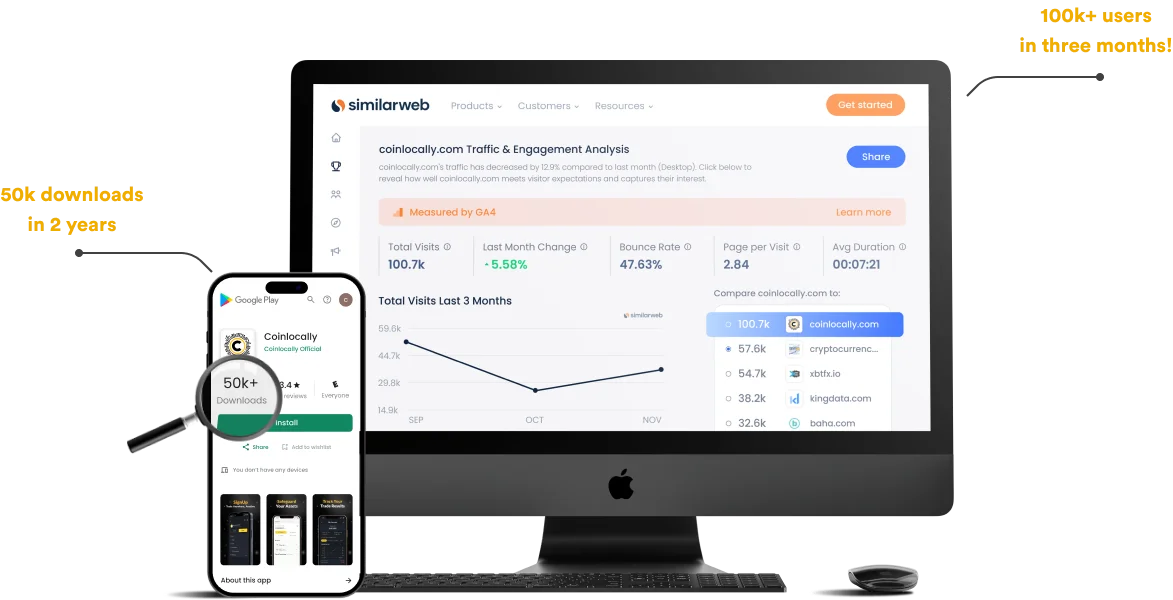
Coinlocally, the thriving cryptocurrency hub incorporates Centralized, DEXs, and an NFT marketplace – all under one roof!
Read More

Bankto is a fascinating payment gateway platform where features are tailored brick-by-brick for efficient crypto transactions.
Read More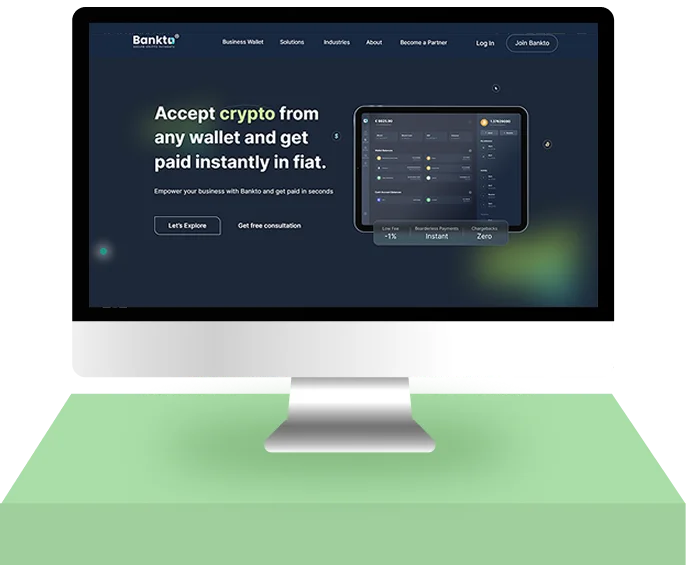

Manilla is a P2P-based exchange where innovative and trusted fintech services are guaranteed.
Read More

Savita is a global cryptocurrency exchange that emphasizes peer-to-peer order book trading. Being a customer-centric crypto exchange, Savita satisfies more than five thousand traders daily.
Read More

AltCoin Trader is a successful South African-based Centralized Crypto exchange platform that allows users to trade crypto to fiat or vice versa easily.
Read More

Fantasy Futbol is a next-gen fantasy sports platform where strategy meets skill in a fair and thrilling football experience.
Read More
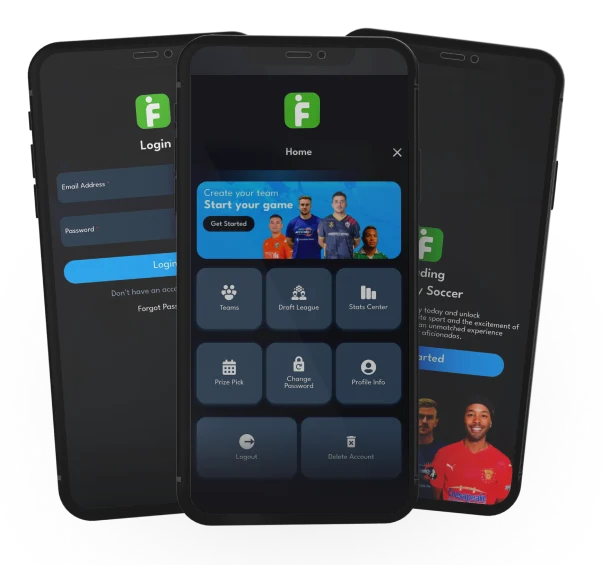

Fantasy Royal is an Indian-based P2P-powered Fantasy Cricket platform with secure, multi-level gameplay for thrilling and rewarding experiences.
Read More

Book your free trading system consultation
Tell us your strategy, your venues, and your capital scale. In 30 minutes, a trading systems engineer will review your execution assumptions, recommend a risk architecture, and outline a realistic build.
- An honest read on whether your strategy survives realistic execution assumptions
- The risk limits and kill switch design your system needs before it is funded
- Clear next steps, whether or not you work with us
Frequently asked questions
Common questions about crypto trading bot development, strategies, backtesting, security, and cost.

Reviewed by :
Bal Ganesan
Blockchain Lead at Pixel Web Solutions, with 12 Yrs Experience
Last updated: August 2026
Freshness note: Exchange APIs, market structure, and the regulation of automated trading services change frequently. Details on this page reflect our understanding at the time of writing and are not financial or legal advice.
Ready to automate your trading strategy?
Let's find out whether it survives realistic execution assumptions, then build it properly. Send us the strategy under NDA, or book a consultation with a trading systems engineer.
Get in Touch