







CRYPTO WALLET DEVELOPMENT SERVICES
Crypto Wallet Development Company Building Secure Wallets for Every Custody Model
A crypto wallet development company designs, builds, and secures software for storing and transacting digital assets. Pixel Web Solutions builds custodial, non-custodial, and MPC wallets across mobile, web, and browser extension, with multi-chain support, key management architecture, DeFi and NFT modules, compliance integration, and an independent security audit on every build.
iOS, Android, web, and extension. Bitcoin, Ethereum, Solana, and 50 more networks. White label in 6 to 10 weeks, or fully custom.
Get your free wallet build plan
Tell us who your users are and which chains you need. Within 48 hours you get a custody recommendation, a module list, and a fixed-price estimate.
- Custody model recommended against your users and licence, before any code
- Source code, key infrastructure, and ownership handed to you at launch
- Independent security audit included in every build, not sold as an upgrade
78
Blockchain and Web3 projects delivered
6 weeks
Fastest wallet launch
50
Blockchain networks and token standards supported
95%
Builds shipped with independent security audit (%)
Wallets are cheap to build and expensive to keep running. Most teams budget for the wrong one.
A wallet reaching an app store is not the finish line. Chains change, protocols upgrade, mobile operating systems break integrations, audits expire, and app store policies shift. Four decisions made before development determine whether your wallet stays viable, and none of them are about features.
The wrong wallet type for the user
A wallet for crypto-native DeFi users and a wallet for first-time buyers share almost no design decisions. We define the user first, then the custody model and feature set, rather than building a generic wallet and hoping.
Maintenance nobody budgeted for
Every chain, protocol, and integration you add is a permanent maintenance cost, not a one-off build item. We cost ongoing ownership during scoping so you ship what you can actually sustain.
Key management designed last
Key generation, storage, and recovery are the only parts of a wallet that truly matter, and retrofitting them means rebuilding. We design the custody and recovery model in week one, tied to your licence exposure.
App store rejection
Apple and Google reject crypto wallets for undisclosed custody, unapproved payment flows, and staking language. We build to store policy from day one and manage the submission and review cycle.
Our Crypto Wallet Development Services
Nine build tracks covering every wallet type and platform, deployable standalone or as modules in one product. Delivered by the same team behind our wider blockchain software development company capability.
A crypto wallet development company provides custody and key management architecture, multi-chain integration, wallet interface design across mobile, web and extension, transaction and signing infrastructure, DeFi and NFT modules, fiat on-ramp connection, KYC and compliance integration, security auditing, app store submission, and post-launch maintenance.
Mobile Crypto Wallet Development
Native iOS and Android or cross-platform wallets with biometric authentication, secure enclave key storage, push notifications, and QR and deep link handling. The primary form factor for consumer wallets.
Web Wallet Development
Browser-based wallets with encrypted key handling, hardware wallet connectivity, and responsive trading and portfolio interfaces.
Browser Extension Wallet Development
Chrome and Firefox extension wallets with dApp injection, connection permission management, and transaction prompts, for users who transact primarily on desktop.
Multi-Chain Wallet Development
Unified balances and transaction history across EVM networks plus Solana, Bitcoin, Tron, and Cosmos, with automatic network handling rather than a chain selector users must understand.
Custodial Wallet and Custody Infrastructure
Provider-held keys with pooled or segregated addresses, automated sweeping, withdrawal approvals, hot and cold segregation, and a full admin console. The standard model for exchanges and fintechs.
Non-Custodial and MPC Wallet Development
On-device key generation with BIP-39 derivation, or MPC and threshold signing that removes the seed phrase entirely while keeping users in control. Custody model chosen against your licence and user profile. Our white label crypto wallet development page covers that choice in full.
DeFi and Web3 Wallet Development
WalletConnect sessions, swaps, staking and bridging, covered in depth on our DeFi wallet development services page. cross-chain bridging, and a transaction safety layer.
Institutional and Enterprise Custody Wallets
Multi-signature or MPC governance with role-based approvals, spending policies, transaction whitelists, HSM-backed key storage, and full audit trails for treasuries and funds.
Wallet Security Audit, Support and Maintenance
Key generation and signing path review, penetration testing, mobile hardening, plus ongoing chain integrations, OS and SDK upgrades, app store resubmissions, and monitoring on a fixed monthly retainer.
Not sure which wallet type to build?
Custody model, platform, and chain count together decide your cost, your licence exposure, and your maintenance burden. Send us your user profile and target markets. We will tell you what to build and, just as usefully, what to leave out.
Three ways to work with our crypto wallet development team
The build model is your first major decision. Here is how each trades speed against control.
White Label Wallet Launch
Duration
6 to 10 weeks
Our pre-built, pre-audited wallet core configured with your brand, chains, custody model, and on-ramp provider. Minimal custom code, lowest technical risk.
Best for:
Teams that need a branded wallet in users' hands this quarter.
Includes:
Core licence, branding, chain integration, custody setup, security audit, app store submission.
Custom Wallet Development
Duration
4 to 9 months
Every component built to your architecture, including proprietary key management, bespoke recovery flows, or a novel account model. Total freedom where your wallet is the product rather than a feature.
Best for:
Products whose differentiator is the wallet mechanic itself.
Includes:
Full architecture, engineering, audit, store submission, and handover.
Wallet-as-a-Service SDK
Duration
4 to 8 weeks to integrate
A wallet layer delivered as an SDK your engineers drop into an existing app, plus the key infrastructure behind it. Users never see a wallet, they see your product.
Best for:
Fintechs, marketplaces, and games adding crypto to a live product.
Includes:
SDK, documentation, key infrastructure, integration support, and a managed retainer.
A proven crypto wallet development process, from custody model to app store
Five stages. Every stage ends in a deliverable you own and can hand to an auditor, a regulator, or an investor.
User, Custody and Compliance Scoping
We map your user profile, target markets, and licence exposure, then recommend a wallet type and custody model with the reasoning documented. Output: a custody decision record and a compliance requirement list.
Architecture and Chain Selection
We define key generation and storage, recovery flows, signing paths, node and RPC strategy, and the chain and token set, alongside the ongoing cost each carries. Output: a system architecture document, a total cost of ownership model, and a fixed-price scope.
Branding, Build and Integration
Your design system applied across platforms, plus integration of on-ramps, swaps, staking, KYC, and blockchain nodes. Output: a working wallet on testnet with your providers connected.
Security Audit, Testing and Store Preparation
Independent security audit, penetration testing, key ceremony rehearsal, device hardening checks, and app store metadata and policy preparation. Output: an audit report, a remediation log, and a submission-ready build.
Launch, Store Approval and Handover
Production deployment, app store submission and review handling, monitoring setup, team training, and source code plus documentation handover. Output: a live wallet and a runbook your team can operate.
Get your wallet scope reviewed before you commit budget
A 45-minute technical review of your wallet plan. We pressure-test your custody choice, chain list, recovery design, and store approval risk, then tell you what it costs to build and what it costs to keep running. No obligation, no sales script.
- Which custody model and wallet type fit your users and your licence
- What your ongoing maintenance will actually cost per year
- A realistic build timeline with audit and app store review mapped
Key Benefits of Choosing Our Crypto Wallet Development Services
What operators get from a team that builds across every custody model rather than selling one.
Custody advice that is not a sales pitch
A vendor with one product recommends that product. We build custodial, non-custodial, and MPC wallets, so the recommendation follows your users and licence rather than our inventory.
Launch in weeks where speed is available
A configured white label wallet reaches an app store in 6 to 10 weeks against 9 to 15 months for a fully custom build. We tell you which one your situation actually calls for.
Security audited before you ship
Independent audit, penetration testing, secure enclave or HSM key storage, biometric locks, and device hardening are standard rather than add-ons.
Onboarding built for your actual users
MPC and account abstraction flows with social recovery and passkeys where your users are mainstream, full seed phrase control where they are crypto-native.
Maintenance costed upfront
You see the ongoing cost of every chain and integration during scoping, so version one is something you can sustain rather than something you abandon.
You own everything
Full source code, key infrastructure, and user data transfer to you. No per-wallet fees, no per-transaction cut, no vendor lock on your growth.
Who we build crypto wallets for
We adapt the same audited foundations to nine very different products.
| Industry | What we build |
|---|---|
| Crypto exchanges | Custodial user wallets with hot and cold segregation and withdrawal controls, plugging directly into a venue built with our crypto exchange development services. |
| Fintechs and neobanks | an embedded crypto balance inside an existing banking app |
| Banks and financial institutions | Policy-governed custody with role-based approvals and audit trails, delivered with our crypto banking software development team. |
| Web3 and token projects | a branded wallet as the front door to your ecosystem |
| DeFi protocols | a wallet with native dApp access, swaps, and yield positions |
| Payment providers and PSPs | merchant wallets with settlement and stablecoin conversion |
| Gaming and metaverse platforms | invisible embedded wallets holding in-game assets and NFTs |
| Remittance operators | stablecoin wallets with local fiat on and off ramps |
| Enterprises and family offices | multi-signature treasury wallets with spending policies |
High-value wallet use cases we deliver
Consumer multi-chain wallet
A branded mobile wallet with send, receive, swap, stake, buy, and NFT display across major chains. The default consumer product. Revenue model: swap fee share, on-ramp revenue share, and staking commission.
Exchange-integrated custodial wallet
User wallets plugged directly into an exchange back end, with instant internal transfers and unified balances alongside our white label crypto exchange development company.. Revenue model: withdrawal fees and retention through faster settlement.
Embedded wallet inside a fintech app
An invisible wallet layer under an existing product, using smart accounts so users never manage keys or gas. Revenue model: transaction fees on an existing user base with near-zero acquisition cost.
Institutional treasury and custody wallet
Multi-signature governance, spending policies, whitelists, and reporting exports for funds, DAOs, and corporate treasuries. Revenue model: custody fees based on assets under management.
MPC wallet with no seed phrase
Threshold signing across device, cloud, and backup shares with social recovery. Self-custody without the abandonment rate. Revenue model: premium tiers and higher activation on the same acquisition spend.
Game and metaverse asset wallet
Invisible wallet creation at signup, in-game token and NFT custody, and gasless transactions through a paymaster. Revenue model: marketplace fees on in-game asset trades.
Blockchains, standards and infrastructure we build on
We integrate the networks and standards your users and auditors already recognize.
Blockchain networks:
Token standards:
Key management standards:
Connectivity:
Fiat on and off ramps:
Compliance:
Tools and Technologies We Use
Mobile
Web and extension
Backend and APIs
Blockchain
Key management
Data and indexing
Infrastructure
Security
Crypto wallet development driving real product outcomes
Fastest launch from kickoff to app store submission
Chains and token standards supported
Wallet infrastructure uptime across managed deployments
Figures reflect Pixel Web Solutions delivery data. Individual results depend on custody model, chain count, and app store review outcomes.
Types of crypto wallet compared: which one to build
Crypto wallets divide by platform and by custody. Mobile wallets suit consumer use, web and browser extension wallets suit desktop and dApp users, hardware wallets secure long-term holdings, embedded SDK wallets hide the wallet inside another product, and institutional custody wallets add governance and approvals. Custody model is a separate decision that applies across all of them.
| Wallet type | Primary user | Custody complexity | Build complexity | Typical timeline |
|---|---|---|---|---|
| Mobile wallet | Consumers | Any model | Moderate | 6 to 12 weeks |
| Web wallet | Desktop users, exchange customers | Usually custodial | Lower | 5 to 10 weeks |
| Browser extension | dApp and DeFi users | Non-custodial | Moderate | 6 to 12 weeks |
| Multi-chain wallet | Active crypto users | Any model | High | 10 to 16 weeks |
| DeFi wallet | Protocol users | Non-custodial | High | 8 to 14 weeks |
| Embedded SDK wallet | Users of an existing app | Smart accounts | Moderate | 4 to 8 weeks to integrate |
| Institutional custody wallet | Funds, treasuries, DAOs | Multi-sig or MPC | Highest | 12 to 20 weeks |
Custodial, non-custodial, and MPC is a separate decision that cuts across every row above. Our white label crypto wallet development page covers that choice in full.
What a crypto wallet actually costs to run after launch
Build cost gets quoted. Running cost rarely does, and it is where wallet projects quietly die. These are the recurring items to budget from day one.
| Ongoing cost | Driver | Frequency | Notes |
|---|---|---|---|
| RPC and node infrastructure | Chain count and transaction volume | Monthly | Scales with users, the largest variable line for most wallets |
| Chain indexers and data | Chain count, history depth | Monthly | Required for balances, history and portfolio views |
| Security audit renewals | Any change to key or signing code | Per release cycle | Material changes invalidate a prior audit |
| New chain and token integrations | Roadmap and user demand | Ongoing | Each addition is permanent maintenance, not a one-off |
| Protocol and ABI upgrades | Integrated protocols changing | Ongoing | DeFi integrations break when protocols upgrade |
| Mobile OS and SDK upgrades | Apple and Google release cycles | Twice yearly minimum | Missing these breaks the app for real users |
| App store resubmissions | Policy changes and feature releases | Ongoing | Review can take one to three weeks each time |
| KYC verification fees | Verified user count | Per verification | Applies to custodial and compliance-gated wallets |
| Monitoring and incident response | Uptime commitments | Monthly | Wallets fail loudly and publicly |
Scope version one against what you can sustain, not what you can build. Our free review costs both sides in 45 minutes.
Portfolio - Our Work in Action

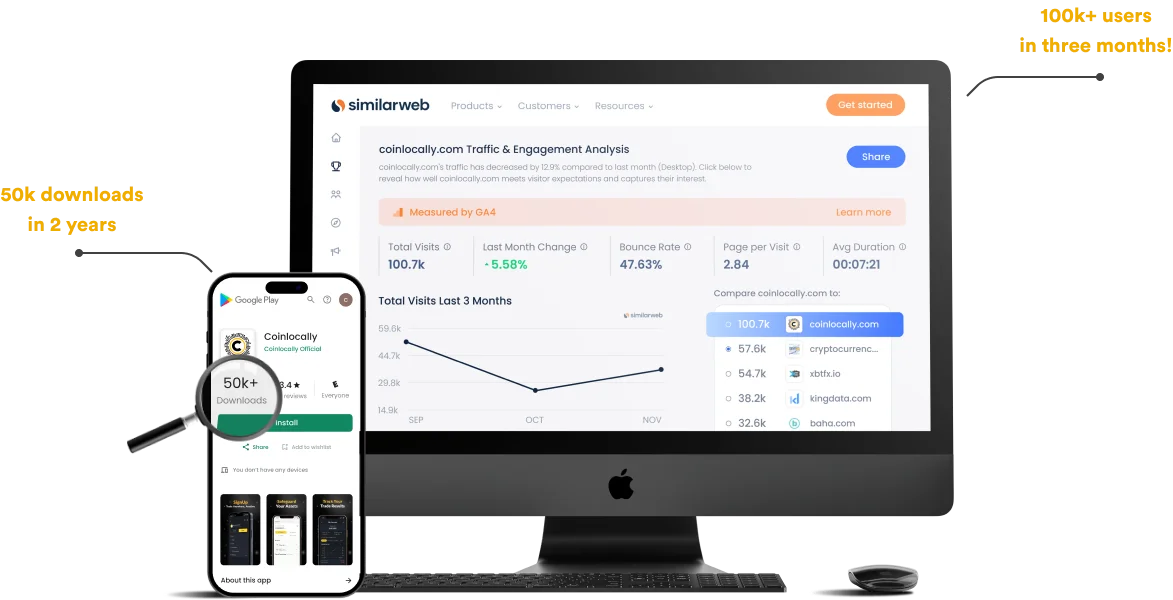
Coinlocally, the thriving cryptocurrency hub incorporates Centralized, DEXs, and an NFT marketplace – all under one roof!
Read More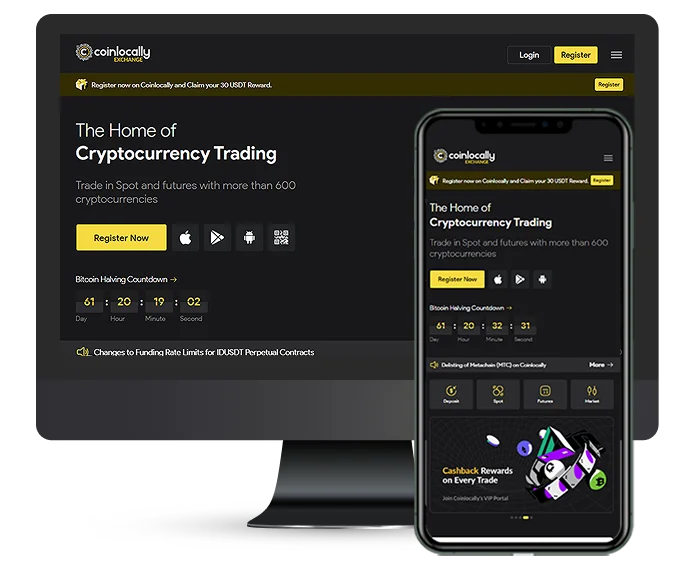

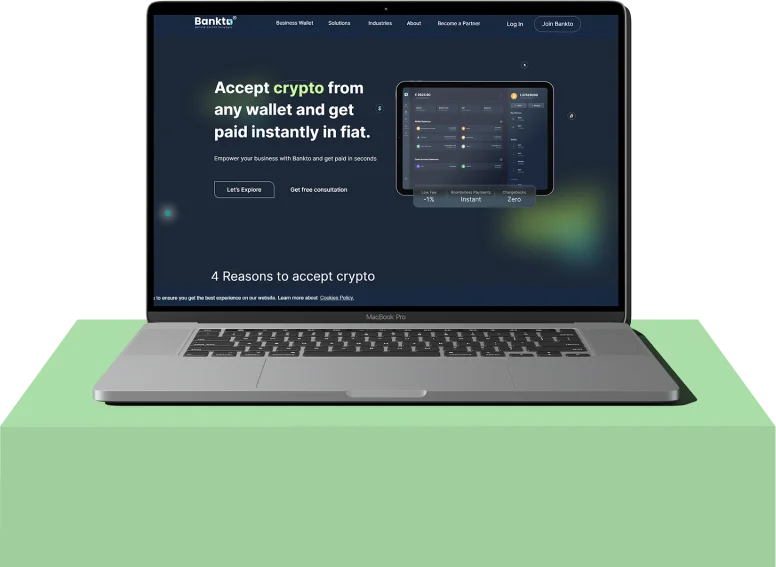
Bankto is a fascinating payment gateway platform where features are tailored brick-by-brick for efficient crypto transactions.
Read More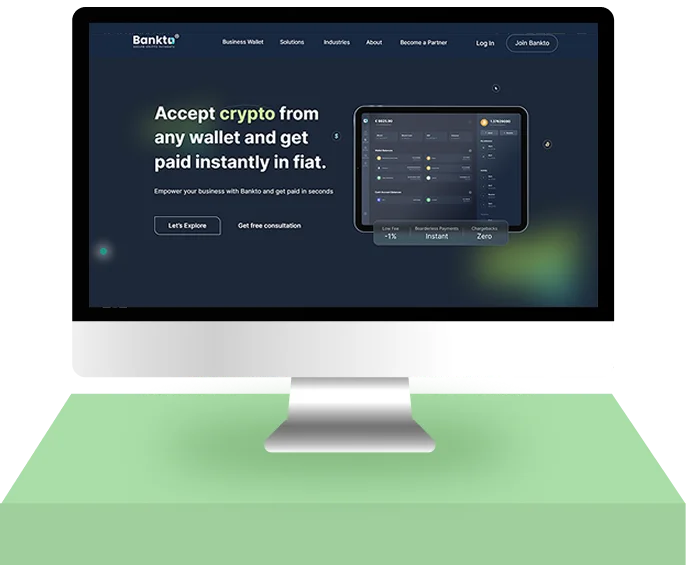

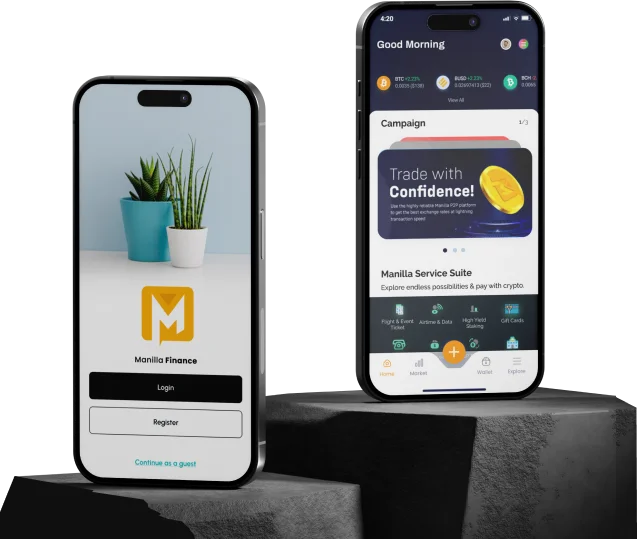
Manilla is a P2P-based exchange where innovative and trusted fintech services are guaranteed.
Read More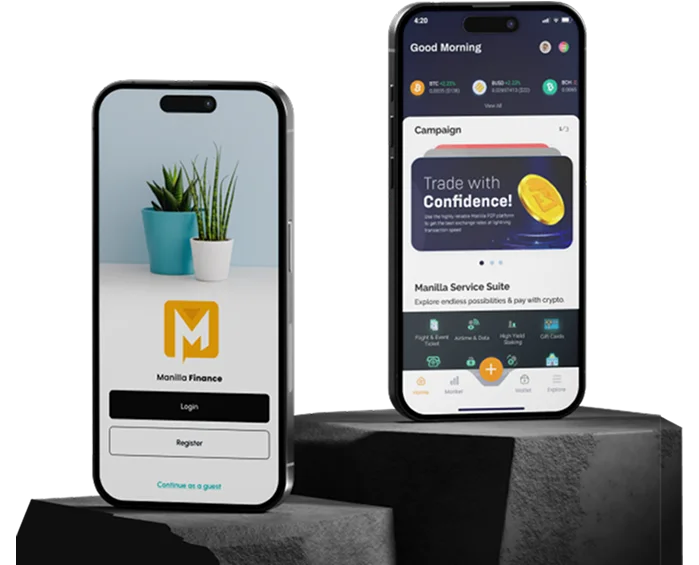

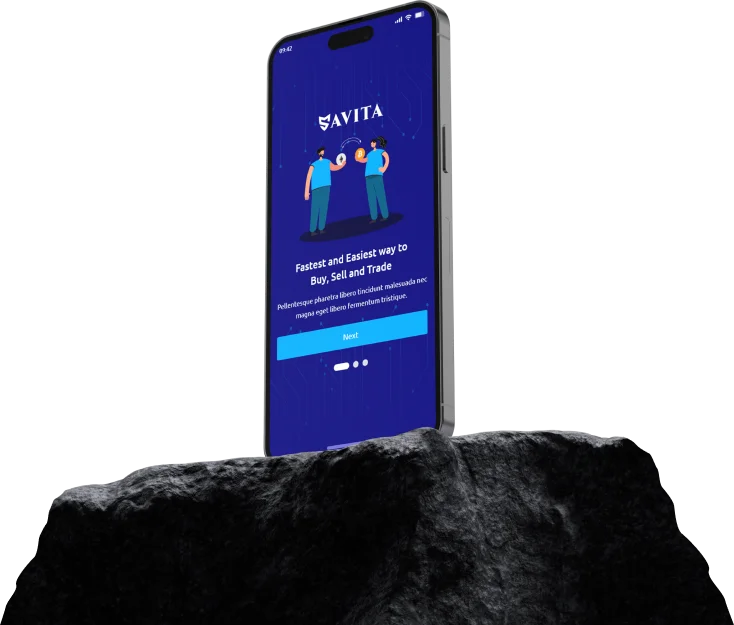
Savita is a global cryptocurrency exchange that emphasizes peer-to-peer order book trading. Being a customer-centric crypto exchange, Savita satisfies more than five thousand traders daily.
Read More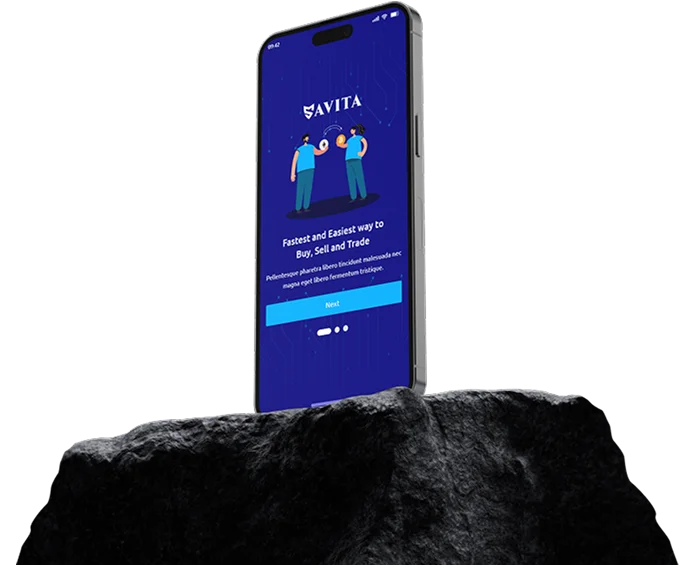

AltCoin Trader is a successful South African-based Centralized Crypto exchange platform that allows users to trade crypto to fiat or vice versa easily.
Read More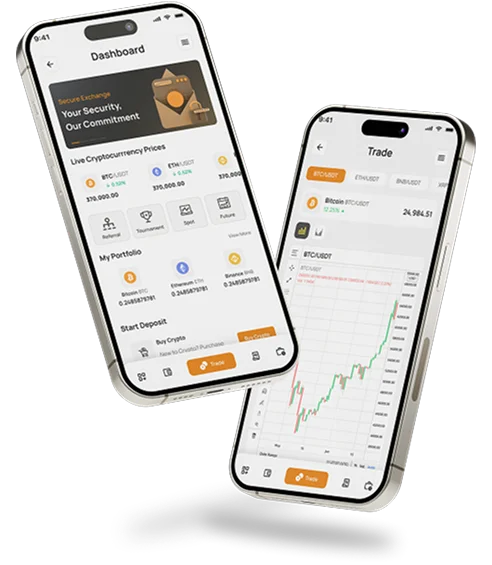

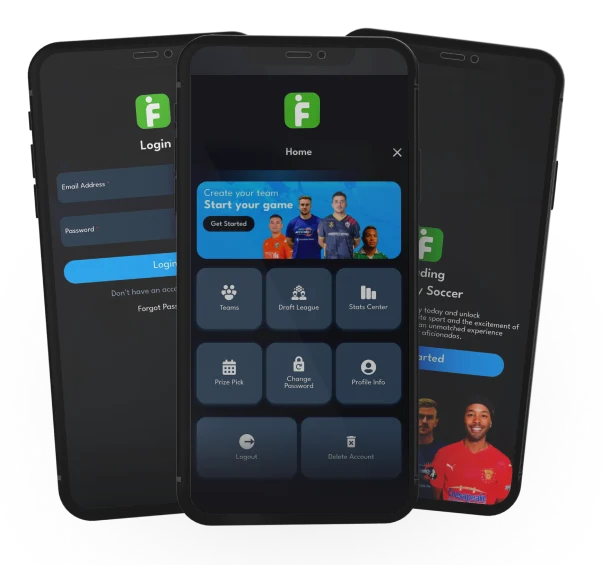
Fantasy Futbol is a next-gen fantasy sports platform where strategy meets skill in a fair and thrilling football experience.
Read More

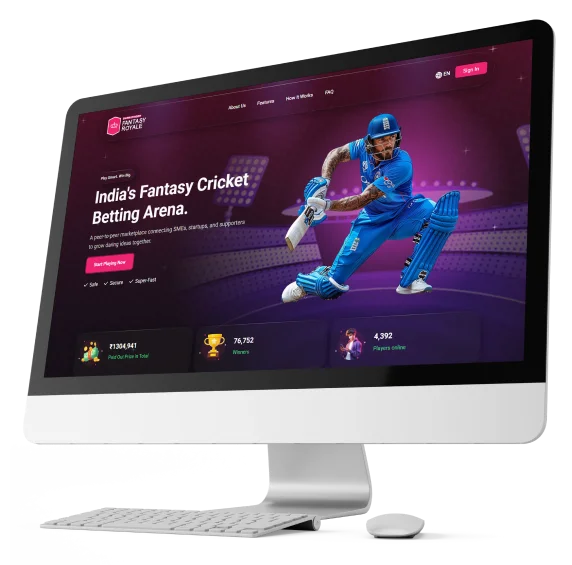
Fantasy Royal is an Indian-based P2P-powered Fantasy Cricket platform with secure, multi-level gameplay for thrilling and rewarding experiences.
Read More
Book your free crypto wallet consultation
Tell us what you want to build and who it is for. In 30 minutes, a wallet architect will recommend a wallet type and custody model, map your chain and module set, and outline a realistic first build.
- The wallet type and custody model that fit your users, licence, and risk appetite
- An honest view of build cost, ongoing running cost, timeline, and store approval risk
- Clear next steps, whether or not you work with us
Frequently asked questions
Common questions about crypto wallet development, types, cost, security, and timelines.
Related blockchain development services
Pick the wallet type, then the page that covers the decision in depth
This pillar owns the orientation decision: which wallet type, which custody model, and what the thing costs to keep running. The custody comparison and the DeFi attack surface live on the child pages.
white label crypto wallet development
The custodial, non-custodial and MPC decision in full, plus the white label build model.
DeFi wallet development services
Protocol connectivity: swaps, staking, bridging, dApp sessions and transaction safety.
crypto exchange development services
The venue custodial wallets plug into, with instant internal transfers and unified balances.
smart contract development services
Smart account contracts, session keys and paymaster logic, audited before mainnet.
Which wallet type and custody model fit your users and your licence? Book a 45-minute review.

Reviewed by :
Bal Ganesan
Blockchain Lead at Pixel Web Solutions, with 12 Yrs Experience
Last updated: August 2026
Freshness note: Wallet regulations, app store policies, and custody licensing requirements change frequently. Regulatory details on this page reflect our understanding at the time of writing and are not legal advice.
Ready to build your crypto wallet?
Let's pick the right wallet type and custody model, or book a consultation with a wallet architect.
Get in Touch