







CRYPTO EXCHANGE DEVELOPMENT SERVICES
Crypto Exchange Development Services for Every Exchange Model
Crypto exchange development services cover the design, build, and launch of cryptocurrency trading platforms, including centralized, decentralized, hybrid, peer-to-peer, and derivatives exchanges. Pixel Web Solutions delivers the matching engine, wallet and custody architecture, liquidity integration, KYC and AML compliance, fiat on-ramps, and security auditing, either as a configured white label build or a fully custom platform.
CEX, DEX, hybrid, P2P, derivatives, and broker platforms. White label in 8 to 12 weeks, or custom built to your own architecture.
Get your free exchange build plan
Tell us your target market and licence route. Within 48 hours you get a model recommendation, a module list, and a fixed-price estimate.
- Exchange model recommended against your market and licence, before any code
- Source code and infrastructure ownership handed to you at launch
- Fixed scope, fixed price, and no share of your trading fees
78
Blockchain and Web3 projects delivered
17
Countries served
4 weeks
Fastest exchange launch
50
Blockchain networks and tokens supported
Most crypto exchanges are built before anyone decides what they should be.
Exchange projects rarely fail on engineering. They fail because the wrong model was chosen for the market, because the licence arrived months after the software, because no bank would touch the fiat flow, or because the order book was empty on launch day. Every one of those is a decision made before development starts, and every one is fixable in week one.
The wrong exchange model
A P2P platform, a spot CEX, and a derivatives venue serve completely different markets and licence routes. Building the wrong one costs a full rebuild. We recommend a model against your market, users, and regulatory position before scoping anything.
Software ready, licence not
Licensing routinely takes longer than development. Teams that start it after the build sit on a finished platform for months. We map your licence path in week one so both tracks run in parallel from the start.
No fiat rails
Banking and payment partners decline crypto businesses routinely, and onboarding takes months. We scope your fiat strategy early, including stablecoin settlement and P2P alternatives where traditional rails will not open.
An empty order book
Liquidity is treated as a launch-week task and it is not. We plan aggregation, market making, and the cost of both during architecture, so your first user sees real depth rather than a dead venue.
Our Crypto Exchange Development Services
Nine build tracks covering every exchange model and the infrastructure behind them.
Crypto exchange development services include exchange architecture and model selection, matching engine development, wallet and custody infrastructure, liquidity integration, KYC and AML compliance, fiat payment gateway connection, trading interface and mobile app development, security auditing, deployment, and post-launch maintenance. Backed by the same team that delivers our wider blockchain software development company capability.
Centralized Exchange (CEX) Development
A custodial spot exchange with an order book, matching engine, TradingView charting, tiered fees, an admin console, and full custody control. The highest revenue model for most operators.
Decentralized Exchange (DEX) Development
Non-custodial AMM or on-chain order book trading with liquidity pools and swap routing. See decentralized exchange development company for curve selection, provider economics and MEV mitigation.
Hybrid Exchange Development
Centralized matching speed with non-custodial settlement, giving order book performance without holding user assets. Suited to operators who want CEX usability with reduced custody exposure.
P2P Crypto Exchange Development
Escrow-secured peer-to-peer trading with merchant tiers, dispute arbitration and local payment coverage. See P2P crypto exchange development. The practical route into markets where banking rails will not process crypto.
Derivatives and Margin Exchange Development
Escrow-secured peer-to-peer trading with merchant tiers, dispute arbitration and local payment coverage. See p2p crypto exchange development company.
Crypto Broker and OTC Desk Development
Simplified buy and sell flows over aggregated liquidity, plus RFQ pricing, block trade handling, and settlement reporting for institutional flow.
White Label Exchange Deployment
Our pre-built, pre-audited exchange core configured with your brand, fee model and asset list. See white label crypto exchange development company for the build model and its economics.
Liquidity, Custody and Compliance Infrastructure
Order book aggregation and market making, hot and cold wallet architecture with MPC or multi-signature signing, KYC and AML integration, transaction monitoring, and Travel Rule messaging.
Migration, Scaling and Managed Operations
Migration from a legacy or script-based platform, engine tuning as volume grows, new chain and token listings, 24/7 monitoring, and compliance updates on a fixed monthly retainer.
Not sure which exchange model to build?
This is the decision that determines your licence route, your liquidity cost, and your entire architecture. Send us your target market and budget. We will tell you honestly which model fits, including when the answer is a simpler one than you expected.
Three ways to work with our crypto exchange development team
The build model is your first major decision. Here is how each one trades speed against control.
White Label Exchange
Duration
8 to 12 weeks
Our pre-built, pre-audited core configured with your brand, assets, fee model, and providers. Minimal custom code, maximum speed, lowest technical risk.
Best for:
Operators with a licence in hand who need to trade this quarter.
Includes:
Core platform licence, branding, custody setup, liquidity connection, KYC integration, launch support.
White Label Plus Custom Modules
Duration
12 to 20 weeks
The audited core plus modules built specifically for you: a proprietary risk engine, a regional payment rail, an affiliate structure, or an institutional API layer.
Best for:
Operators with a differentiator that configuration cannot express.
Includes:
Everything in White Label, plus custom module design, build, and integration testing.
Custom Exchange Development
Duration
9 to 18 months
Every component built to your architecture, including the matching engine. Total freedom, and the only route worth taking when the engine itself is your competitive advantage.
Best for:
Venues competing on latency, novel market structure, or institutional requirements no core can meet.
Includes:
Full architecture, engineering, audit, and deployment, with your team involved throughout.
A proven crypto exchange development process, from model selection to live trading
Five stages. Every stage ends in a deliverable you own and can take to a regulator, an auditor, or an investor.
Model Selection and Jurisdiction Scoping
We map your target markets, users, licence route, and budget, then recommend an exchange model and the feature set legally available to you. Output: a model recommendation, a feature matrix, and a compliance requirement list.
Architecture and Scope Definition
We define the matching engine configuration, custody design, liquidity strategy, integration set, and infrastructure. Output: a system architecture document, an infrastructure cost model, and a fixed-price scope.
Build, Branding and Integration
Your design system applied across web and mobile, plus live integration of KYC, liquidity, payment gateways, blockchain nodes, and monitoring. Output: a working platform on staging with your providers connected.
Security Audit, Testing and UAT
Penetration testing, load testing against target throughput, smart contract audit where applicable, and structured user acceptance testing. Output: an audit report, a remediation log, and a signed-off release candidate.
Launch, Liquidity Ramp and Handover
Production deployment, liquidity switched on, cold storage key ceremony, admin team training, and source code plus documentation handover. Output: a live exchange and a runbook your team can operate.
Get a feasibility check before you commit budget
A 45-minute technical and regulatory review of your exchange plan. We pressure-test your model choice, licence route, liquidity assumptions, and feature list, then tell you what it actually costs and how long it actually takes. No obligation, no sales script.
- Which exchange model your market, users, and licence actually support
- What your liquidity will cost per month, and where it comes from
- A realistic timeline with licensing and banking dependencies mapped
Key Benefits of Choosing Our Crypto Exchange Development Services
What operators get from working with a team that builds across every exchange model rather than selling one.
Model advice that is not a sales pitch
A vendor with one product recommends that product. We build CEX, DEX, hybrid, P2P, and derivatives platforms, so the recommendation follows your market rather than our inventory.
Speed where speed is available
A configured white label build reaches mainnet in 8 to 12 weeks against 9 to 18 months for a custom platform. We tell you which one your situation actually calls for.
Compliance-aware architecture
KYC tiering, AML screening, Travel Rule messaging, audit trails, and data residency configured for your jurisdiction rather than retrofitted after your licence review.
Liquidity planned, not improvised
Aggregation and market making costed and arranged during architecture, so launch day has real depth.
Security audited before launch
Penetration testing, custody design review, and third-party smart contract audits are part of every build rather than an upsell.
You own everything
Full source code, database, infrastructure, and customer data transfer to you. No revenue share, no trading fee cut, no vendor lock on your growth.
Who we build crypto exchanges for
We adapt the same audited foundations to nine very different operating models.
| Industry | What we build |
|---|---|
| Fintech startups | a branded spot exchange with mobile-first onboarding |
| Banks and neobanks | custodial crypto trading inside an existing app with bank-grade controls |
| Forex and stock brokers | a crypto desk added to an existing trading book and client base |
| Payment providers and PSPs | crypto conversion and settlement for merchants |
| OTC desks and crypto brokers | RFQ trading, block orders, and institutional settlement |
| Web3 projects and token issuers | a listing venue for your own ecosystem |
| Remittance operators | stablecoin corridors with local fiat on and off ramps |
| Gaming and metaverse platforms | in-game asset and token markets with fiat entry |
| Enterprises and family offices | private, permissioned trading and treasury desks |
High-value exchange use cases we deliver
Retail spot exchange
A branded spot venue with fiat on-ramps, tiered fees, and a referral engine. The core revenue model for most new operators. Revenue model: trading fees, withdrawal fees, and listing fees.
Derivatives venue
Perpetual futures and margin trading, with significantly higher fee capture per active user than spot. Revenue model: trading fees plus funding rate spread.
P2P marketplace for restricted markets
Escrow-based fiat trading with local payment methods, where banking rails will not process crypto. Revenue model: trade fees plus merchant subscriptions.
White label broker portal
A simplified buy, sell, and hold interface over aggregated liquidity, built for conversion rather than order book complexity. Revenue model: spread on every transaction.
Ecosystem exchange with a launchpad
A listing venue paired with a token launch platform, capturing both the raise and the secondary trading. See crypto launchpad development. Revenue model: listing fees, raise percentage, and trading fees.
Institutional OTC and settlement desk
RFQ pricing, block trade handling, whitelisted counterparties, and settlement reporting. Revenue model: spread on large tickets with institutional flow.
Blockchains, liquidity and infrastructure we build on
We integrate the providers your auditors and counterparties already recognize.
Blockchain networks:
Token standards:
Exchange models:
Liquidity and market data:
Custody:
Compliance:
Fiat rails:
Tools and Technologies We Use
Frontend
Mobile
Backend and APIs
Matching engine
Blockchain
Data
Infrastructure
Security
Monitoring
Crypto exchange development driving real operator outcomes
Fastest launch from kickoff to first mainnet trade
Lower build cost with a configured white label build
Platform uptime across managed deployments
Figures reflect Pixel Web Solutions delivery data. Individual results depend on exchange model, licence status, integration count, and market conditions.
CEX vs DEX vs hybrid vs P2P: which exchange model to build
A centralized exchange holds user funds and runs an order book, offering the best speed and fiat access. A decentralized exchange settles entirely on-chain with no custody and no fiat. A hybrid combines centralized matching with non-custodial settlement. A peer-to-peer exchange escrows crypto while users settle fiat directly, which is the only model that works where banks will not process crypto.
| Factor | CEX | DEX | Hybrid | P2P |
|---|---|---|---|---|
| Custody | Full custody | Non-custodial | Non-custodial settlement | Escrow during trade |
| Fiat support | Strong, needs banking | None | Limited | Very strong, user to user |
| Speed | Fastest | Chain-limited | Fast | Trade-dependent |
| Liquidity source | Order book and aggregation | Liquidity pools | Order book | Merchant ads |
| Licensing burden | Highest | Lowest | Moderate | High on AML |
| Build cost | High | Moderate | High | Moderate |
| Typical launch | 8 to 12 weeks white label | 8 to 14 weeks | 12 to 20 weeks | 8 to 12 weeks |
| Best for | Mature markets with banking access | Crypto-native users | Custody-averse operators | Restricted or underbanked markets |
The exchange launch critical path: what to start, and when
Software is rarely the long pole. These are the dependencies that decide your real launch date, ordered by how early they must begin.
| Dependency | Typical lead time | Start it | Consequence of starting late |
|---|---|---|---|
| Licence or registration | 3 to 12 months | Before development | A finished platform sitting idle for months |
| Banking or payment partner | 2 to 6 months | Before development | No fiat on-ramp, so no retail users |
| Corporate structure and jurisdiction | 1 to 3 months | Before development | Licence application blocked at the first step |
| Exchange build | 8 weeks to 18 months | After model selection | The only item most teams plan properly |
| Liquidity and market maker agreements | 1 to 2 months | During build | Empty order book on launch day |
| Security audit and penetration test | 3 to 6 weeks | Before launch, booked during build | Launch delayed, or worse, launched unaudited |
| Custody and insurance arrangements | 1 to 3 months | During build | Institutional users and partners decline |
| Listing and token agreements | Ongoing | During build | Nothing to trade beyond majors |
Most delayed launches trace back to a dependency in this table that was started after the build instead of alongside it. Our free feasibility check maps yours in 45 minutes.
Portfolio - Our Work in Action

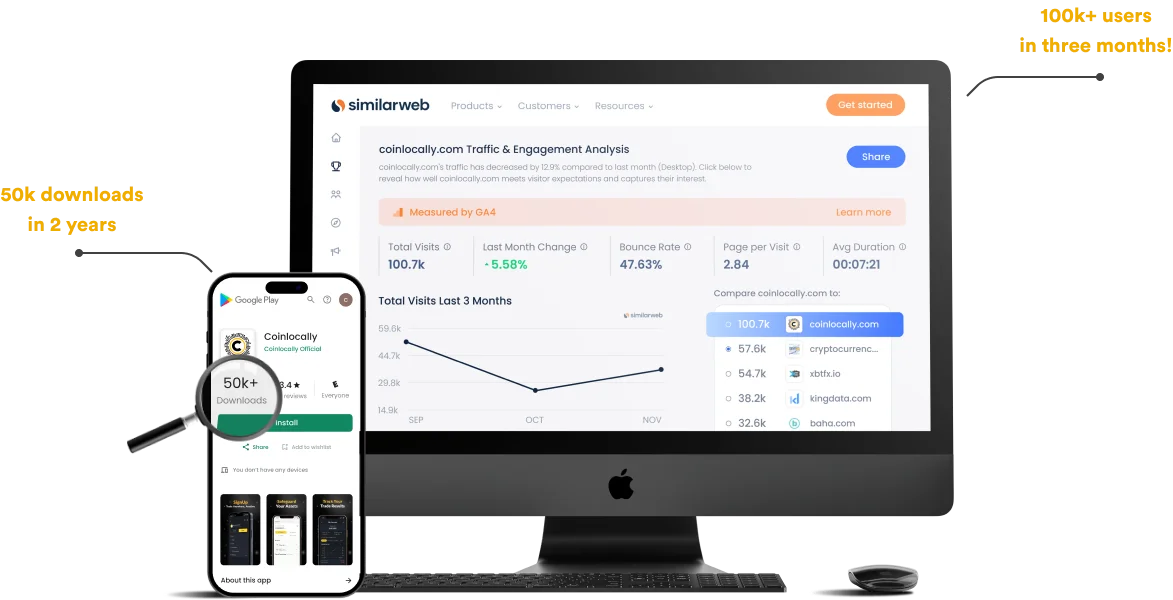
Coinlocally, the thriving cryptocurrency hub incorporates Centralized, DEXs, and an NFT marketplace – all under one roof!
Read More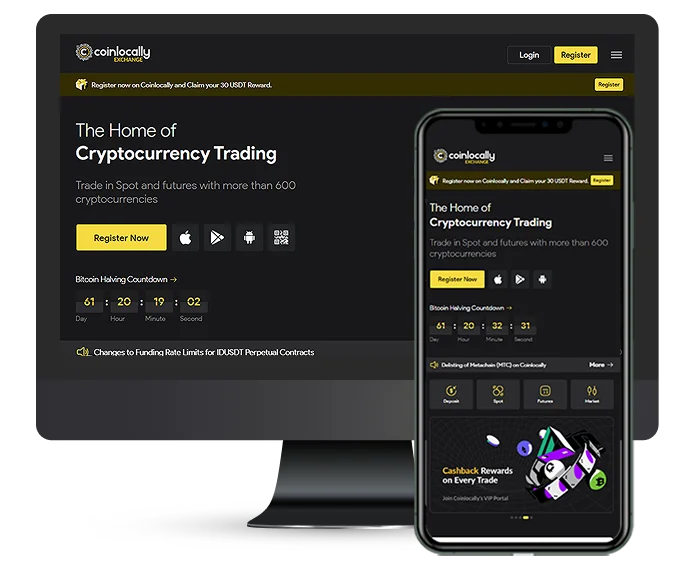

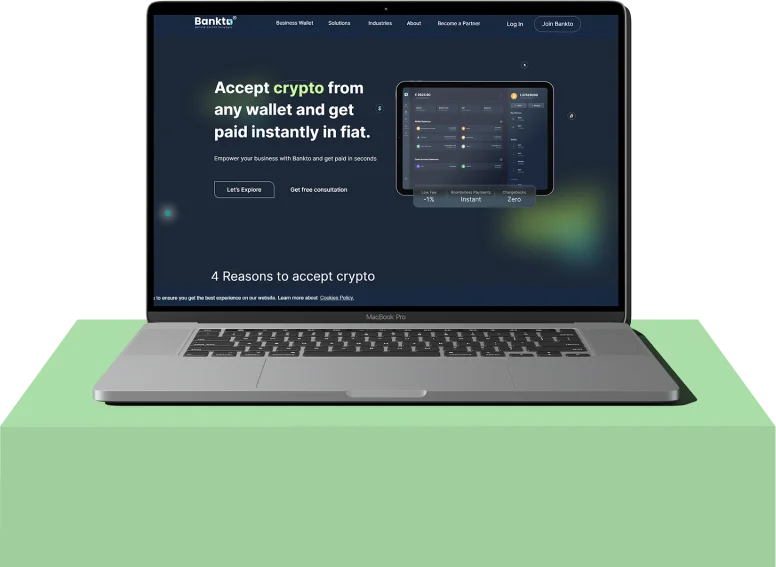
Bankto is a fascinating payment gateway platform where features are tailored brick-by-brick for efficient crypto transactions.
Read More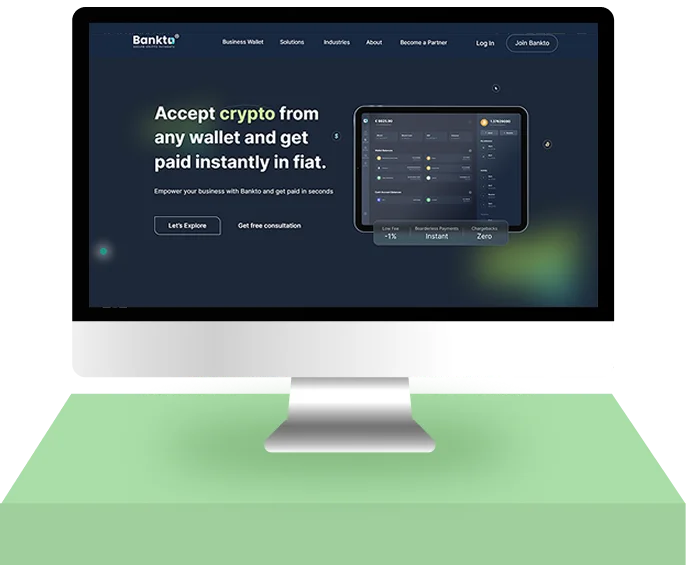

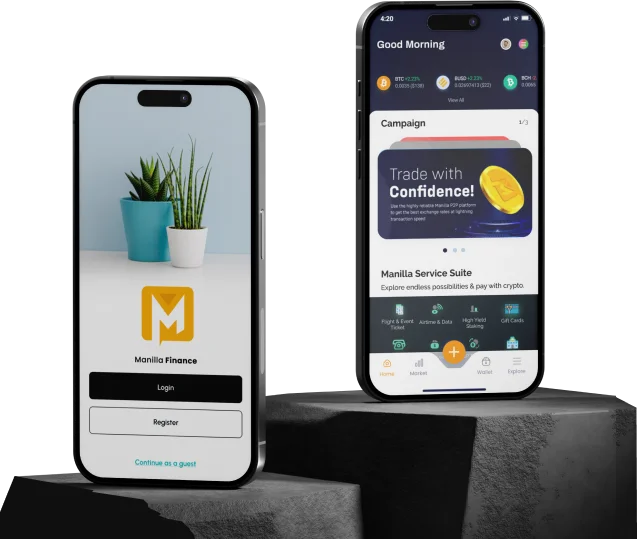
Manilla is a P2P-based exchange where innovative and trusted fintech services are guaranteed.
Read More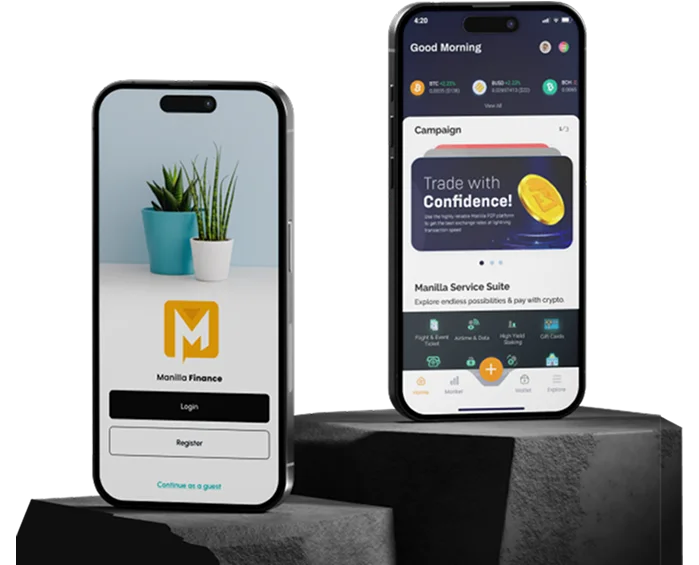

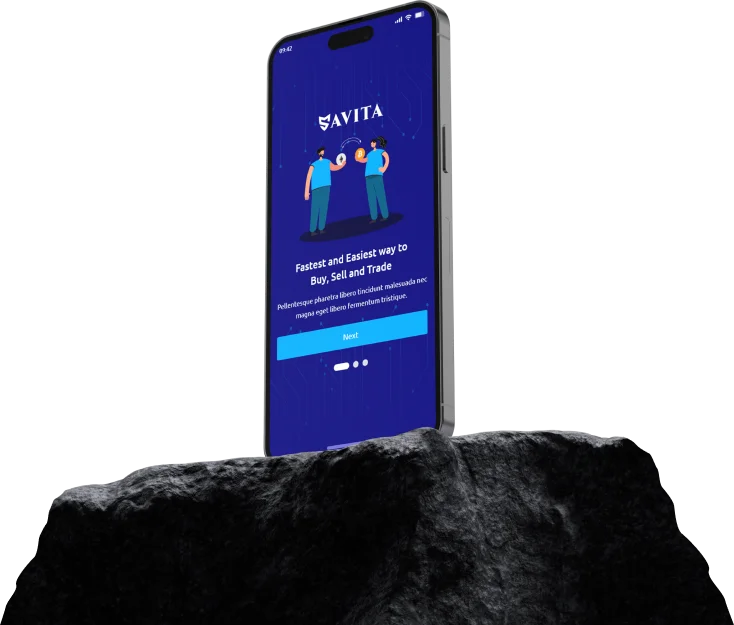
Savita is a global cryptocurrency exchange that emphasizes peer-to-peer order book trading. Being a customer-centric crypto exchange, Savita satisfies more than five thousand traders daily.
Read More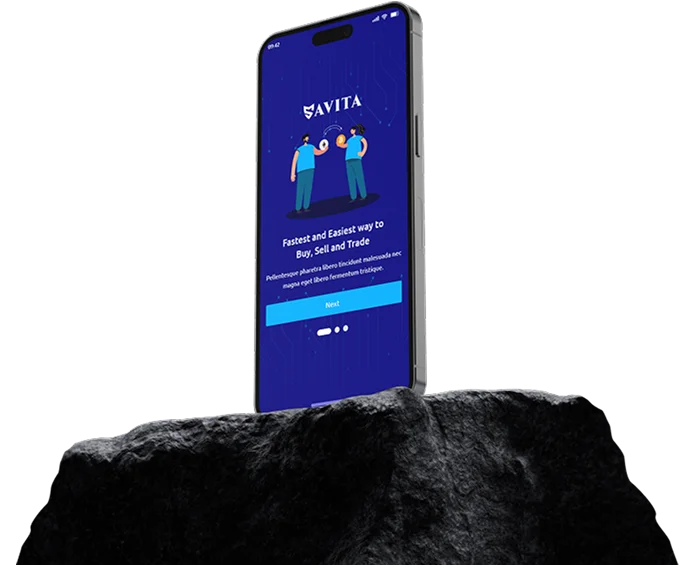

AltCoin Trader is a successful South African-based Centralized Crypto exchange platform that allows users to trade crypto to fiat or vice versa easily.
Read More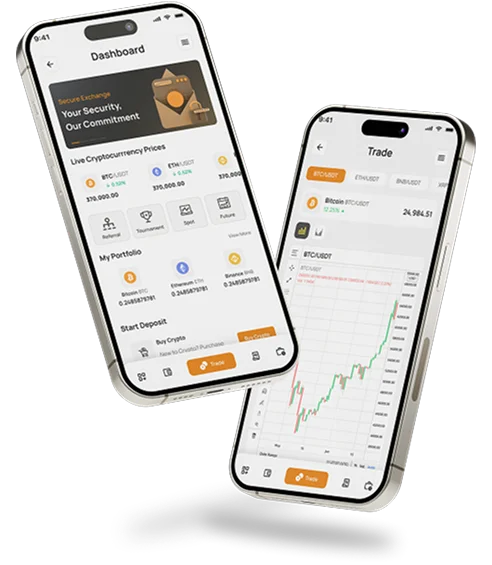

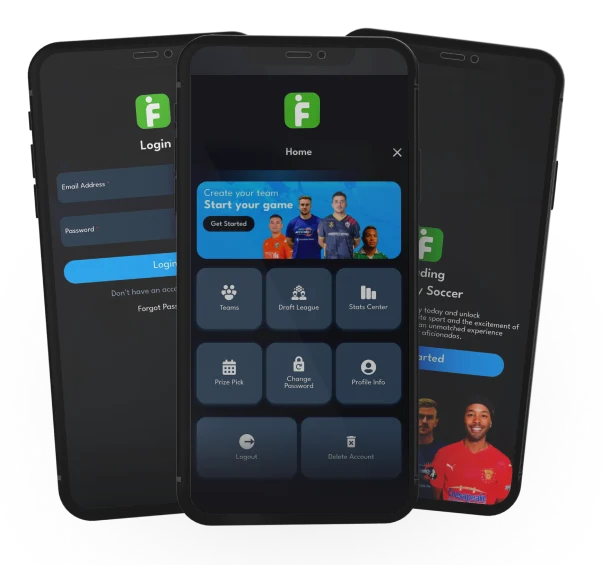
Fantasy Futbol is a next-gen fantasy sports platform where strategy meets skill in a fair and thrilling football experience.
Read More

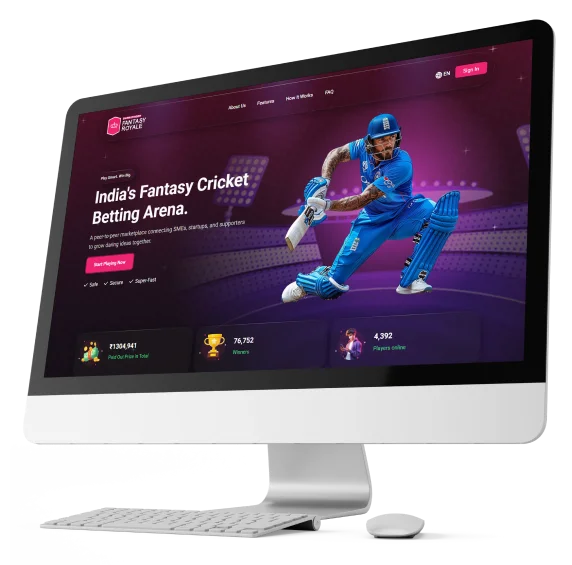
Fantasy Royal is an Indian-based P2P-powered Fantasy Cricket platform with secure, multi-level gameplay for thrilling and rewarding experiences.
Read More
Book your free crypto exchange consultation
Tell us what you want to launch and where. In 30 minutes, an exchange architect will recommend a model, map your fastest compliant route to market, and outline a realistic first build.
- The exchange model and module set that fit your market, users, and licence
- An honest view of feasibility, cost, timeline, and liquidity spend
- Clear next steps, whether or not you work with us
Frequently asked questions
Common questions about crypto exchange development services, models, cost, licensing, and timelines.
Related blockchain development services
Pick the exchange model, then the depth page that covers it
This pillar owns the orientation decision. Each model has its own page covering the mechanics, the licence route and the economics in depth, so read the summary here and go one level down for the detail.
white label crypto exchange development
The configured build model and its economics, for operators who need to trade this quarter.
P2P crypto exchange development
Escrow, corridors and payment method risk, for markets where banking rails will not open.
crypto derivatives exchange development
Risk engines, margin, funding and the liquidation waterfall behind a leveraged venue.
decentralized exchange development company
AMM curves, liquidity provider economics, routing and MEV mitigation for on-chain venues.
Not sure which exchange model your market and licence support? Book a 45-minute feasibility check.

Reviewed by :
Bal Ganesan
Blockchain Lead at Pixel Web Solutions, with 12 Yrs Experience
Last updated: August 2026
Freshness note: Crypto licensing requirements, banking availability, and liquidity pricing change frequently. Regulatory details on this page reflect our understanding at the time of writing and are not legal advice.
Ready to build your crypto exchange?
Let's pick the right model and map your fastest compliant route to live trading.
Get in Touch