








BLOCKCHAIN SMART CONTRACT DEVELOPMENT SERVICES
Blockchain Smart Contract Development Services Built for Code That Cannot Be Patched
Blockchain smart contract development services cover the design, writing, testing, auditing, and deployment of self-executing contracts on a blockchain. Pixel Web Solutions builds contracts in Solidity, Rust, and Go across EVM networks, Solana, and permissioned platforms, with comprehensive test coverage, fuzzing, upgrade architecture where appropriate, and independent audit before any contract holds value.
Tokens, DeFi protocols, NFTs, vesting, governance, and enterprise chaincode. Written to be audited, because audit cost and outcome are decided by how the code was written.
Get your free contract scope review
Tell us what the contracts need to do and which chain. Within 48 hours you get a scope outline, an audit timeline, and a fixed-price estimate.
- Audit booked at project start, not after the code is finished
- Upgradeability decided deliberately and documented, never left as a default
- Full source, tests, and deployment scripts handed to you with no retained admin access
78
Blockchain and Web3 projects delivered
100%
Value-holding contracts shipped with independent audit
50
Networks deployed to
2 weeks
Fastest audited contract set to mainnet
Smart contracts are the only software you ship knowing you cannot patch it.
Normal software ships with the assumption that mistakes get fixed next release. A deployed contract holding value has no next release unless upgradeability was designed in advance, and every flaw is public, permanent, and reachable by anyone. Four practices separate contract engineering from application engineering, and skipping any of them is where the losses come from.
Audit treated as a final step
Booking an audit after the code is finished means discovering a structural issue when the launch date is fixed. We book audit slots at project start and write to what auditors look for, which reduces both cost and remediation cycles.
Upgradeability by accident
Teams end up immutable when they needed to iterate, or upgradeable when holders needed guarantees. Both are defensible choices and neither is a default. We decide it explicitly, document the reasoning, and build the governance around it.
Test coverage that proves nothing
Tests that confirm the happy path find nothing. We write adversarial tests, fuzz inputs, fork mainnet state to test against real conditions, and model the economic attacks that matter more than the syntactic ones.
Unexamined external dependencies
Contracts that call oracles, routers, or other protocols inherit their failure modes. We map every external dependency, model what happens when each one behaves unexpectedly, and fail safely rather than assuming honest inputs.
Our Blockchain Smart Contract Development Services
Nine build tracks covering contract engineering from specification through to long-term maintenance. Delivered by the same team behind our wider blockchain software development company capability.
Blockchain smart contract development services include requirements specification, contract architecture, development in Solidity, Rust, or other contract languages, comprehensive and adversarial testing, gas optimisation, upgrade architecture, independent security audit coordination and remediation, deployment and verification, and post-deployment monitoring and maintenance.
EVM Smart Contract Development
Solidity contracts for Ethereum and EVM-compatible networks including Base, Arbitrum, Optimism, Polygon, BNB Chain, and Avalanche, built on audited libraries with strict access control and full test coverage.
Non-EVM Contract Development
Rust programs for Solana and contracts for other non-EVM environments, where the account model, execution semantics, and security considerations differ substantially from EVM development.
Token and Standards Implementation
ERC-20, ERC-721, ERC-1155, ERC-4626 vaults, permissioned standards, and their equivalents on other chains, implemented to specification rather than adapted from unverified templates. Standards implemented to specification rather than adapted from templates. For tokenomics and token strategy, see our crypto token development company.
DeFi Protocol Contracts
Staking and reward distribution, vaults and yield strategies, lending and borrowing markets, automated market makers, and liquidity incentives, with economic attack modelling alongside code review.
NFT and Marketplace Contracts
Collection contracts with allowlist mechanics, reveal logic, royalty enforcement, and marketplace contracts covering listings, offers, escrow, and settlement. Collection, mint, royalty and marketplace applications are covered in full by our nft development company.
Vesting, Escrow and Governance Contracts
Cliff and linear vesting, multi-party escrow, timelock controllers, multi-signature integration, and on-chain governance with delegation, proposal thresholds, and execution. Sale and allocation mechanics as a product are covered by our white label crypto launchpad development.
Upgrade Architecture and Proxy Patterns
Immutable, transparent proxy, UUPS, or diamond patterns selected against your governance and trust requirements, with storage layout discipline, upgrade authorisation through timelocks and multi-signature control, and documented migration paths.
Testing, Fuzzing and Formal Verification
Unit and integration coverage, invariant and property-based testing, fuzzing, mainnet fork testing against real protocol state, gas profiling, and formal verification where the value at risk justifies it.
Audit Coordination, Deployment and Maintenance
Audit preparation and scoping, remediation cycles with published logs, mainnet deployment, explorer verification, ownership transfer to multi-signature control, on-chain monitoring, and maintenance as dependencies change.
Have contracts already written?
We review existing contracts before you commit to an audit, which is usually cheaper than paying an auditor to find structural issues. Send them under NDA and we will tell you what an audit would flag and what it would cost.
Three ways to work with our smart contract development team
Pick the engagement that matches how far your contracts have already got.
Standard Contract Set
Duration
3 to 6 weeks
Contracts built on established, audited patterns and configured to your specification, with full test coverage, audit, and deployment.
Best for:
Tokens, vesting, staking, and NFT collections using proven mechanics.
Includes:
Development, testing, audit coordination, deployment, verification, documentation.
Custom Protocol Development
Duration
8 to 20 weeks
Novel contract logic designed from requirements, with economic modelling, adversarial testing, formal verification where warranted, and multiple audit cycles.
Best for:
DeFi protocols and systems where the mechanism itself is the product.
Includes:
Architecture, development, economic review, extensive testing, audit cycles, deployment, monitoring.
Contract Review and Remediation
Duration
2 to 6 weeks
Assessment of contracts you already have, whether written in-house or inherited, with a findings report, prioritised remediation, and a path to audit.
Best for:
Teams with existing code and no confidence in it, or a failed audit to resolve.
Includes:
Code review, findings report, remediation, retesting, audit preparation.
A proven smart contract development process, from specification to verified mainnet
Five stages. Audit is scheduled at stage one, not discovered at stage four.
Specification and Threat Modelling
We document exactly what the contracts must do, what they must never do, who holds which permissions, and which external systems they depend on. Output: a contract specification, a permission map, and a threat model.
Architecture and Audit Scheduling
We design contract structure, upgrade approach, storage layout, and access control, then book audit capacity for the projected completion date. Output: an architecture document, an upgrade decision record, a fixed-price scope, and a confirmed audit slot.
Development and Testing
Contracts written against audited libraries with unit, integration, invariant, and fuzz testing, plus mainnet fork testing where the contracts interact with live protocols. Output: contracts with a published coverage report and gas profile.
Audit and Remediation
Independent audit, prioritised remediation, retesting, and a second review pass on any material change. Output: an audit report and a remediation log you can publish.
Deployment, Verification and Handover
Mainnet deployment, explorer source verification, ownership transferred to multi-signature and timelock control, monitoring configured, and full handover of source, tests, and deployment scripts. Output: verified live contracts and documentation your team can maintain.
Get your contract scope reviewed before you commission an audit
A 45-minute technical review of your contract requirements or existing code. We assess complexity, external dependencies, upgrade needs, and audit readiness, then tell you what it takes to build and what the audit will realistically cost. No obligation, no sales script.
- What an auditor will flag in your current design or code
- Whether upgradeability is right for you, and what it costs in holder trust
- A realistic timeline with audit capacity and remediation cycles included
Key Benefits of Choosing Our Smart Contract Development Services
What teams get from contracts written by people who assume the code will be attacked.
Written to be audited
Clear structure, documented invariants, comprehensive tests, and standard patterns reduce audit duration and remediation cycles. How the code is written is the largest controllable factor in audit cost.
Audit scheduled at the start
Audit capacity is booked when the project begins, so the launch date accounts for review and remediation rather than colliding with it.
Adversarial testing, not confirmation testing
Invariant testing, fuzzing, and mainnet fork testing against real protocol state, because tests that only confirm intended behaviour find nothing worth finding.
Upgradeability as a deliberate decision
Immutable, proxy, or diamond selected against your trust and governance requirements and documented, so your position is defensible to holders and auditors.
External dependencies mapped
Every oracle, router, and protocol call is identified, its failure modes modelled, and safe behaviour defined, rather than assuming external systems always behave.
You own everything
Full source, test suites, deployment scripts, and documentation transfer to you, with ownership moved to your multi-signature control before handover. We retain no admin access to anything we deploy.
Who we build smart contracts for
The same engineering discipline applied across nine very different contexts.
| Industry | What we build |
|---|---|
| Token projects | supply, vesting, and distribution contracts holding real allocations |
| DeFi protocols | staking, vaults, lending, and AMM logic where value is permanently at risk |
| NFT platforms | Collection, mint, royalty and marketplace applications are covered in full by our NFT development company. |
| DAOs and communities | governance, delegation, and timelocked treasury execution |
| Exchanges and launchpads | escrow, sale, and settlement contracts |
| Gaming studios | in-game asset contracts, batched transactions, and gasless mechanics |
| Enterprises | permissioned chaincode and business rule automation across consortium networks, via our enterprise blockchain development company. |
| Financial institutions | permissioned transfer, compliance-enforcing contracts, and tokenized instruments |
| Founders with existing code | review, remediation, and audit preparation for inherited contracts |
High-value smart contract use cases we deliver
Token and vesting contract set
Supply, allocation, and enforced vesting with cliffs, where the contract rather than a promise guarantees the schedule. What decides quality: permission structure and whether the vesting can be circumvented by the owner.
Staking and reward distribution
Reward accrual, claiming, lock periods, and emission control, with accounting that stays correct under partial withdrawals and edge timing. What decides quality: reward maths under adversarial deposit and withdrawal patterns.
Vault and yield strategy contracts
Deposit accounting, share pricing, strategy execution, and withdrawal handling, commonly following the ERC-4626 vault standard. What decides quality: share price manipulation resistance, particularly at low total supply.
Lending and collateral contracts
Collateral management, loan-to-value monitoring, interest accrual, and liquidation, with oracle dependency handled defensively. What decides quality: oracle failure behaviour and liquidation incentive design.
On-chain governance and treasury
Voting weight, delegation, proposal thresholds, and timelocked execution over a treasury. What decides quality: whether governance can be captured, and what a timelock actually protects.
Contract review and remediation
Existing or inherited contracts assessed, fixed, retested, and prepared for audit. What decides quality: finding the structural issues, not just the lint-level ones.
Chains, languages and standards we build on
We build on the environments and libraries auditors and integrators already know.
EVM networks:
Non-EVM:
Languages:
Standards:
Libraries and patterns:
Assurance:
Tools and Technologies We Use
Contract languages
Development frameworks
Testing and assurance
Libraries
Deployment
Integration
Frontend
Monitoring
Smart contract development driving real project outcomes
Value-holding contracts deployed with independent audit
Networks deployed to across projects
Fastest audited contract set from kickoff to mainnet
Figures reflect Pixel Web Solutions delivery data. Individual results depend on contract complexity, audit scope, and remediation cycles.
Smart contract platforms and languages compared
Most smart contracts are written in Solidity for Ethereum and EVM-compatible networks, which offers the deepest tooling, library, and auditor ecosystem. Solana uses Rust with a different account model and execution semantics. Permissioned enterprise platforms use general purpose languages such as Go and Java. The right choice follows where your users and integrations already are, not raw performance.
| Environment | Language | Ecosystem maturity | Audit availability | Fits when |
|---|---|---|---|---|
| Ethereum and EVM L2s | Solidity | Deepest tooling and libraries | Widest auditor pool | You need liquidity, integrations, and standard patterns |
| Solana | Rust | Strong but distinct | Smaller specialist pool | You need very low fees and high throughput |
| Permissioned platforms | Go, Java, Node.js | Enterprise-oriented | Specialist review | Participation is restricted to known organisations |
| Newer execution environments | Varies | Emerging | Limited | You have a specific reason and accept ecosystem risk |
What drives smart contract audit cost and outcome
Audit is usually the largest single line item and the biggest schedule risk in a contract project, and most of what determines it is decided before the auditor is engaged. Address these before submitting code.
| Factor | Effect on audit | What to do before submitting |
|---|---|---|
| Code size and complexity | Audits are priced largely on lines and logic paths | Remove unused code, split concerns, avoid unnecessary features |
| Novel versus standard patterns | Novel mechanisms need far deeper review | Use established libraries wherever the mechanism is not your differentiator |
| Test coverage | Low coverage lengthens review and raises the price | Ship with high coverage plus invariant and fuzz tests |
| Documentation and specification | Undocumented intent forces auditors to infer it | Provide a written specification, invariants, and permission map |
| External dependencies | Every integration expands the review surface | Document each dependency and its assumed behaviour |
| Upgradeability | Proxies add storage and authorisation risk to review | Decide early and follow a standard pattern precisely |
| Prior audit history | Re-audits of changed code are cheaper than first audits | Keep changes after audit minimal and scoped |
| Timeline pressure | Rushed slots cost more and reduce depth | Book capacity at project start, not at code freeze |
Two consequences worth planning around : material changes made after an audit invalidate it for the changed code, and audit capacity at reputable firms is often booked weeks ahead. Both are schedule items, not procurement details.
The cheapest way to reduce audit cost is to write the code differently. Our free review tells you where yours stands in 45 minutes.
Portfolio - Our Work in Action

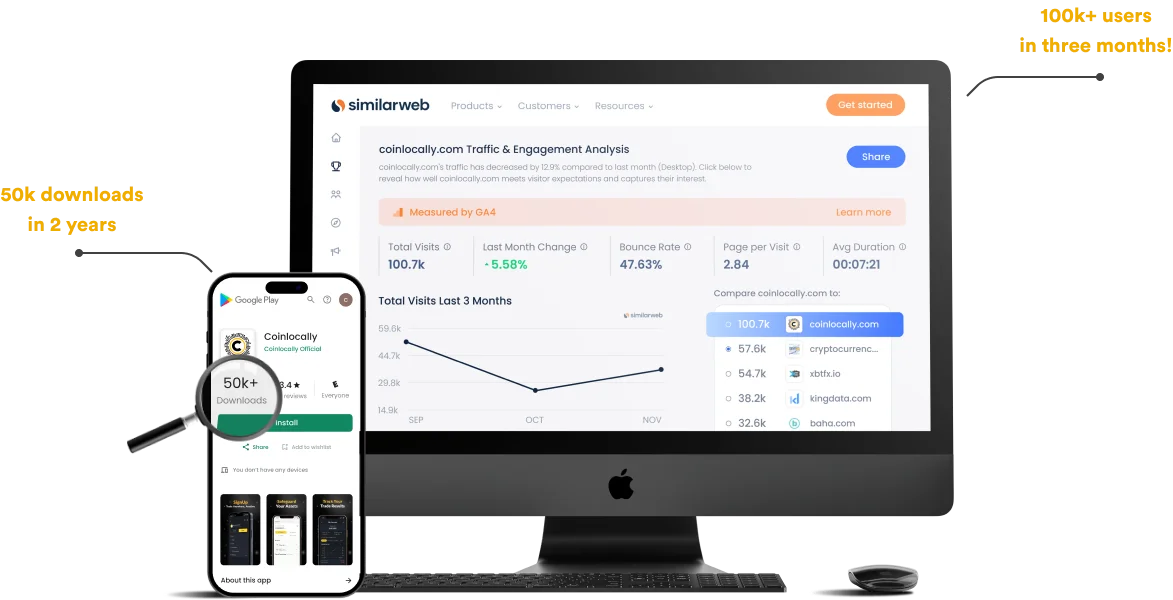
Coinlocally, the thriving cryptocurrency hub incorporates Centralized, DEXs, and an NFT marketplace – all under one roof!
Read More

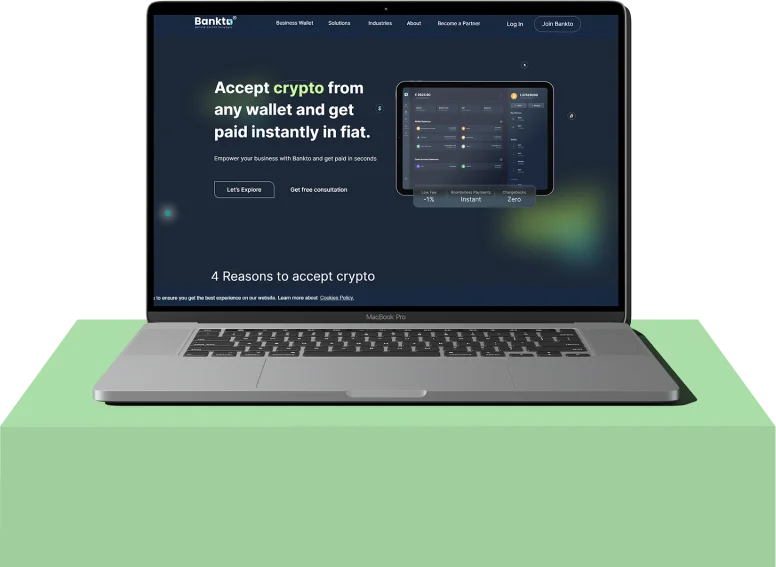
Bankto is a fascinating payment gateway platform where features are tailored brick-by-brick for efficient crypto transactions.
Read More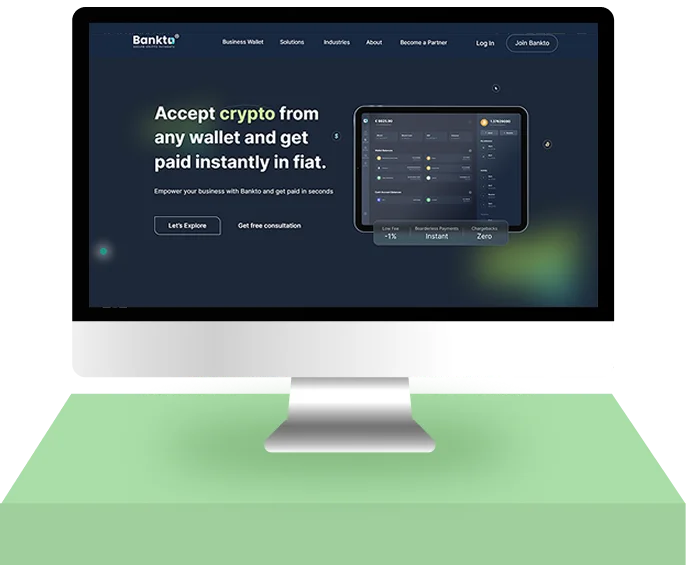

Manilla is a P2P-based exchange where innovative and trusted fintech services are guaranteed.
Read More

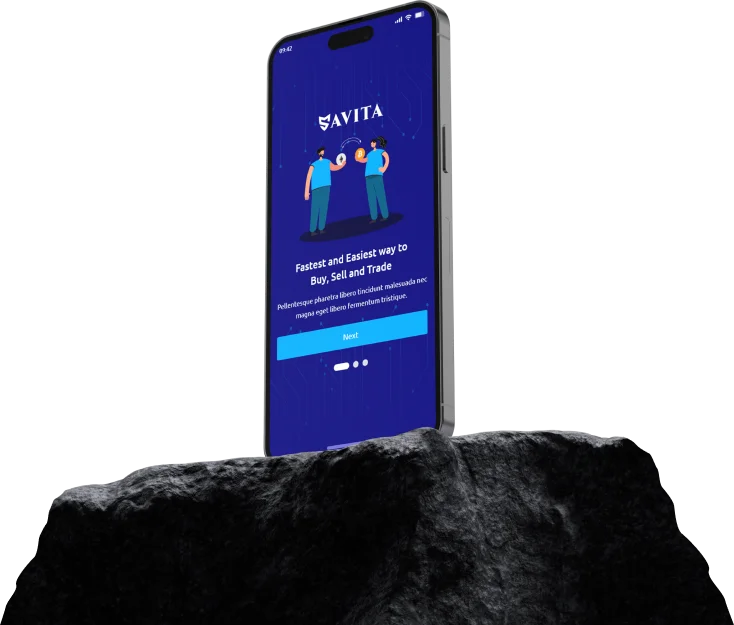
Savita is a global cryptocurrency exchange that emphasizes peer-to-peer order book trading. Being a customer-centric crypto exchange, Savita satisfies more than five thousand traders daily.
Read More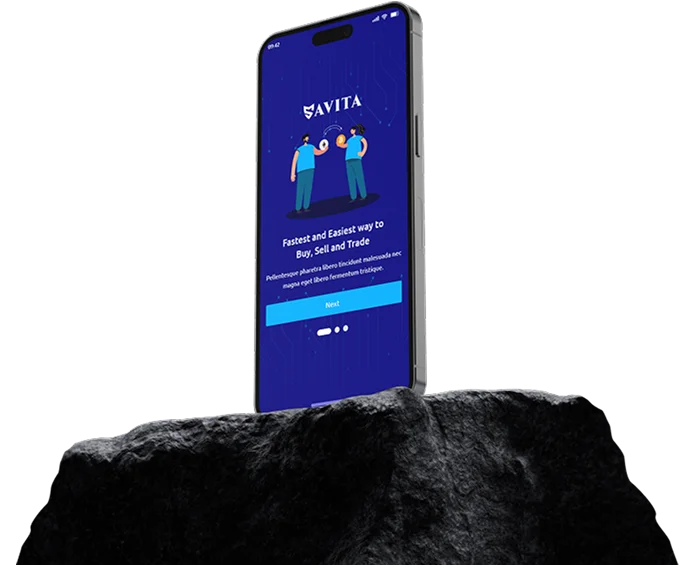

AltCoin Trader is a successful South African-based Centralized Crypto exchange platform that allows users to trade crypto to fiat or vice versa easily.
Read More

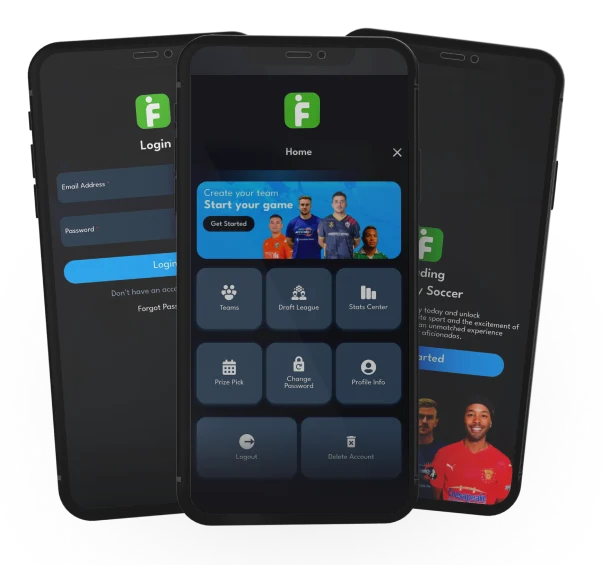
Fantasy Futbol is a next-gen fantasy sports platform where strategy meets skill in a fair and thrilling football experience.
Read More

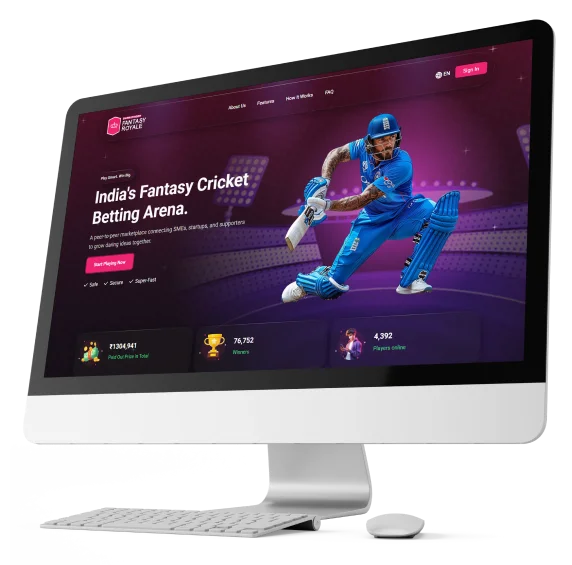
Fantasy Royal is an Indian-based P2P-powered Fantasy Cricket platform with secure, multi-level gameplay for thrilling and rewarding experiences.
Read More
Book your free smart contract consultation
Tell us what the contracts need to do, or send us what you already have. In 30 minutes, a contract engineer will review the scope, flag what an auditor would raise, and outline a realistic path to mainnet.
- What an auditor will flag in your design or existing code
- An honest view of complexity, audit cost, timeline, and upgrade trade-offs
- Clear next steps, whether or not you work with us
Frequently asked questions
Common questions about smart contract development, audits, upgradeability, cost, and security.
Related blockchain development services
What the contracts are built for, one level up
This page owns the engineering discipline: how contracts are written, tested, audited, upgraded and deployed. Each application it serves has its own page, so link out for what the contracts are for rather than restating it.
crypto token development
Tokenomics, permission structures and the standards implementation behind a token launch.
crypto launchpad development
Sale, vesting and allocation mechanics as a product rather than a contract set.
enterprise blockchain development
Permissioned networks, governance design and integration with systems of record.
chaincode development
Fabric and Besu chaincode with lifecycle, approval and upgrade paths across organisations.
Get your contract scope reviewed before you commission an audit. 45 minutes, no obligation.

Reviewed by :
Bal Ganesan
Blockchain Lead at Pixel Web Solutions, with 12 Yrs Experience
Last updated: August 2026
Freshness note: Contract standards, tooling, and known vulnerability patterns evolve continuously. Details on this page reflect our understanding at the time of writing and are not a guarantee of security.
Ready to build contracts you can defend under audit?
Let's specify it properly, test it adversarially, and deploy something you will not need to migrate away from. Send us the contracts under NDA, or book a consultation with a contract engineer.
Get in Touch